
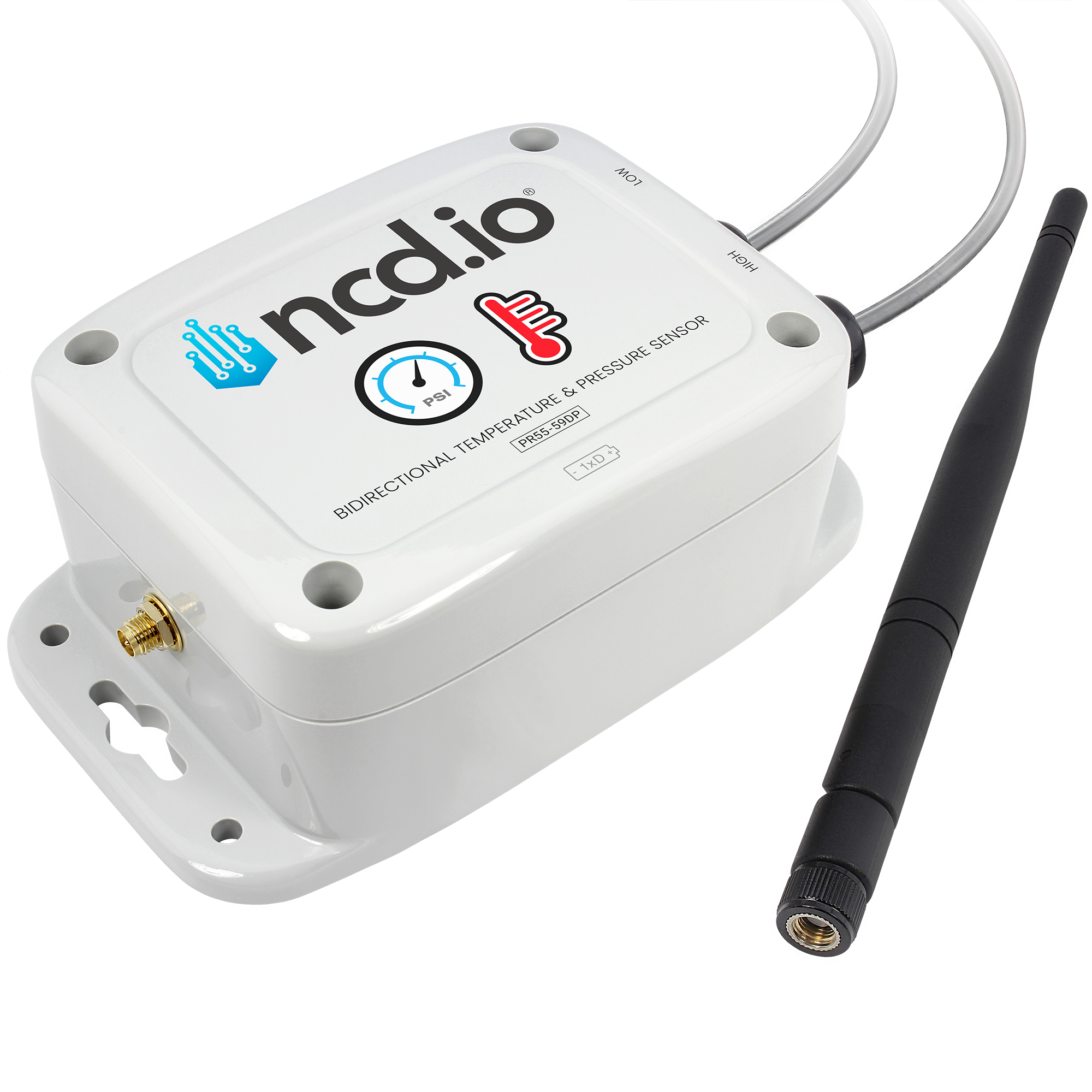
A loading filter, a failing damper, or a room losing its pressure envelope shows up as a change in differential pressure long before anyone notices the airflow. This wireless differential pressure sensor reads the difference across two ports, positive or negative, so you see the trend before the failure.
 Made in the USA
No software to install. No cloud accounts to create. Tube it in, power on, monitor.
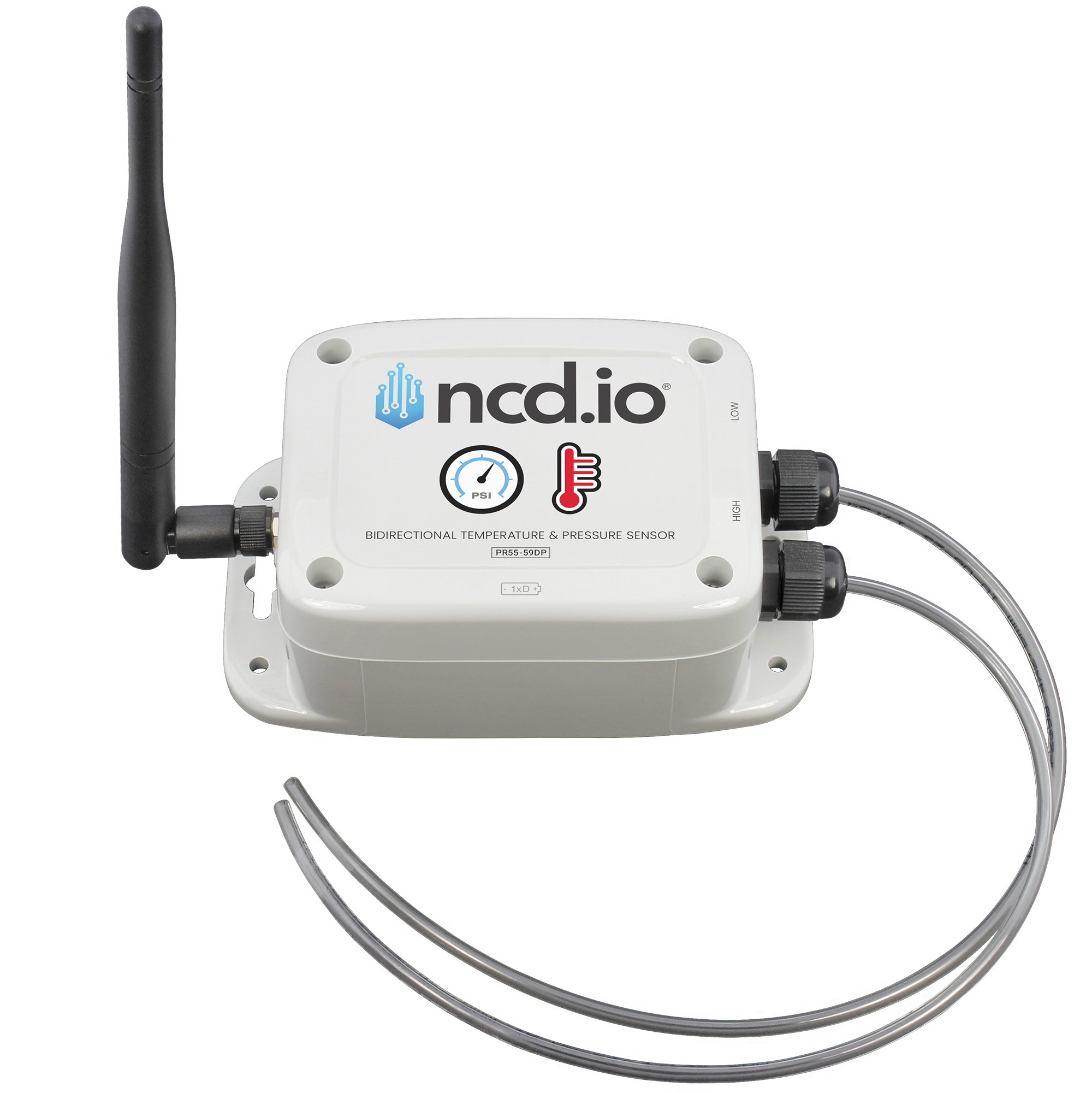
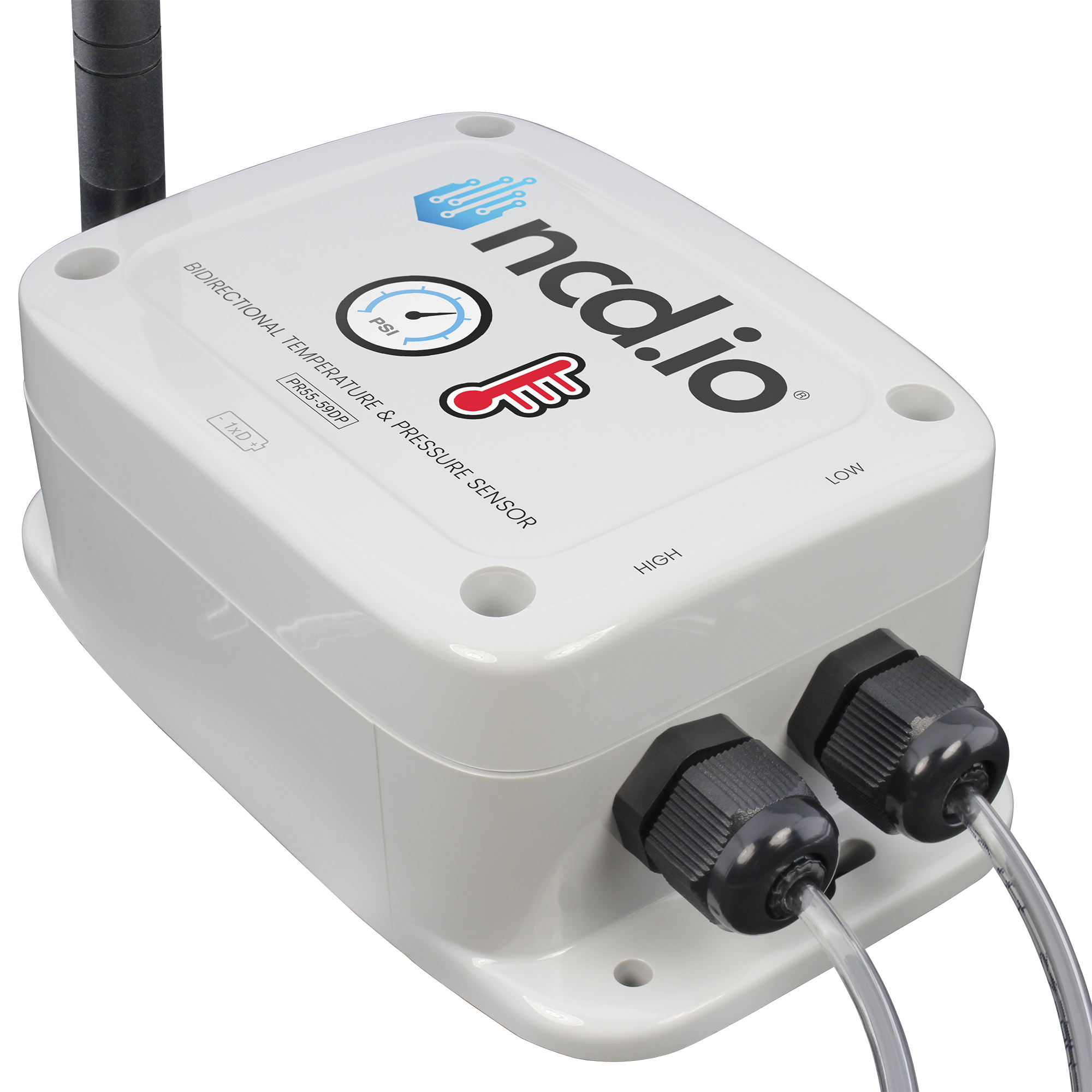
Connect PORT 1 and PORT 2 to the two points you want to compare, across a filter, a damper, or between two rooms. The sensor reads the difference and its direction.
Run on a single D-cell battery or the external power option. The IP65 main enclosure handles dust and washdown environments.
A self-forming, self-healing wireless mesh reaches up to 2 miles line-of-sight, with multi-hop routing across your facility.
Browser dashboards, threshold email alerts, and CSV export. Forward readings to AWS, Azure, or any MQTT broker. Catch the differential-pressure trend early.
NCD builds three wireless pressure sensors, and they differ in exactly one thing: the pressure they are built to read. Pick by the size of the number you expect to see.
Pair the sensor with an Atrium Gateway, open a browser on your network, and drag the readings you care about onto a dashboard. No code to write.
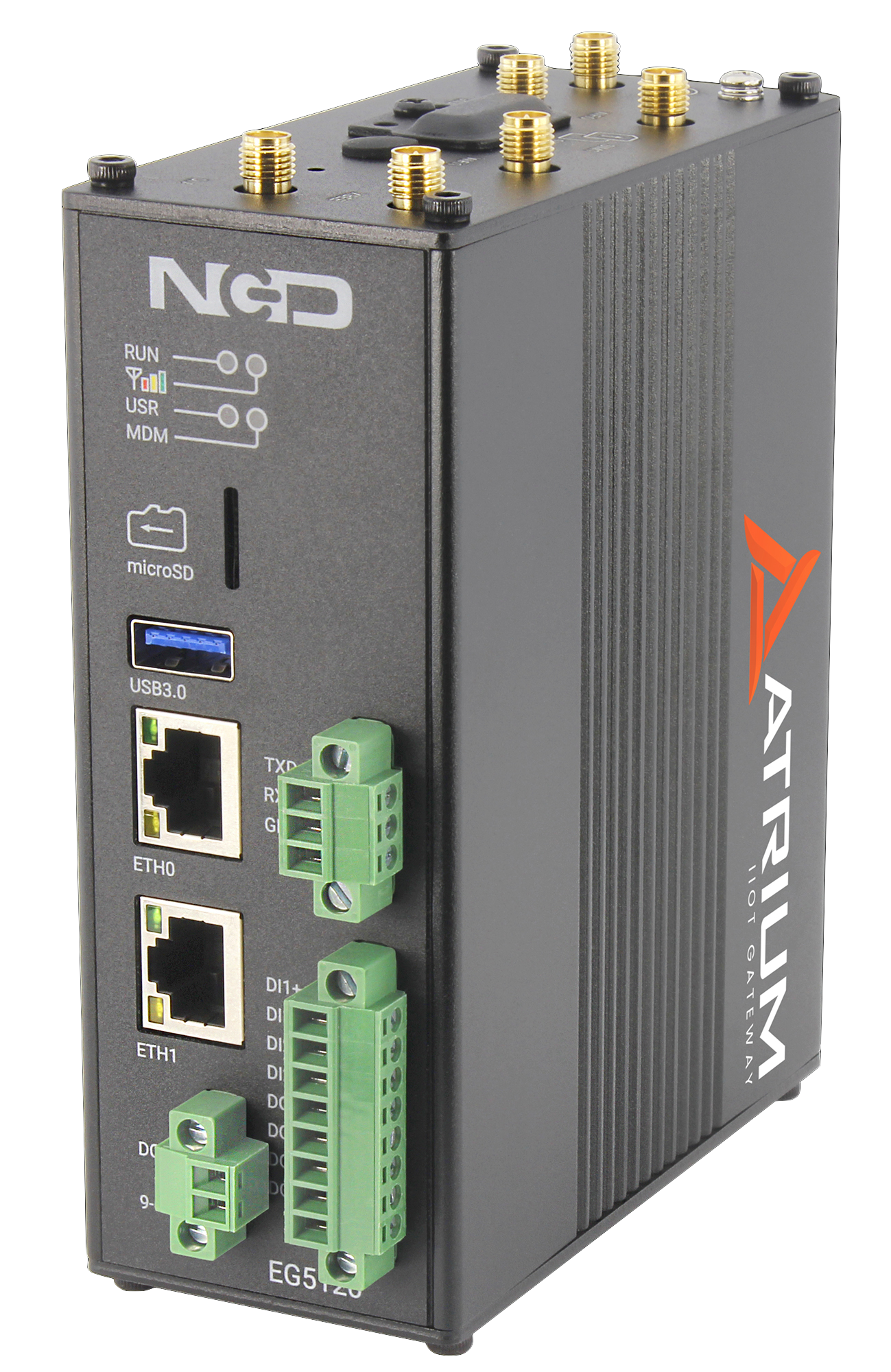
Industrial differential-pressure monitoring that runs locally. No cloud dependency. No software license.
Two ports measure the pressure difference between them, and read it in both directions, positive or negative. See exactly how much a filter, damper, or duct is restricting flow, and which way.
Pick the span that fits the job — ±0.15 PSI (±4.2 inH₂O), ±0.30 PSI (±8.3 inH₂O), ±5 PSI (±139 inH₂O), or ±15 PSI (±416 inH₂O), with roughly 18 more special-order options. Resolution scales with the range you choose, reaching up to 0.01 PSI on the low-range sensors for tight room-pressure work.
Every reading ships with temperature to ±0.3°C at 0.01°C resolution, so you can correlate a pressure shift with an air- or process-temperature change on the same trend.
Long-range self-healing wireless mesh reaches up to 2 miles line-of-sight, with 128-bit AES encryption, across large or multi-building facilities.
Runs up to 5 years on a single D-cell battery with real-time battery-status reporting. An external power option is also available for permanent installs.
Update firmware wirelessly across your fleet over the wireless mesh network. No climbing ladders, no removing sensors from service.
| Measurement Type | Bidirectional differential (positive & negative ΔP) |
| Range Options | ±0.15 PSI (±4.2 inH₂O), ±0.30 PSI (±8.3 inH₂O), ±5 PSI (±139 inH₂O), ±15 PSI (±416 inH₂O); ~18 special-order sensors available |
| Pressure Resolution | Up to 0.01 PSI, depending on range (finest on low-range sensors) |
| Ports | Two ports (PORT 1 high / PORT 2 low) |
| Compatible Media | Dry, non-corrosive, non-ionic gases (wetted parts: silicon, Pyrex, RTV silicone) |
| On-Board Temperature | Reported alongside pressure |
| Accuracy | ±0.3°C |
| Resolution | 0.01°C |
| Temperature Range | -25°C to +85°C (-13°F to 185°F) |
| Protocol | Long-range self-healing wireless mesh |
| Frequency Bands | 868 MHz / 900 MHz / 2.4 GHz |
| Band class | Sub-GHz (868 / 900 MHz) — sub-gigahertz radio travels farther and penetrates walls and equipment far better than higher-frequency Wi-Fi or Bluetooth |
| Range | Up to 2 miles line-of-sight (~1000 ft dense urban) |
| Network Capacity | Up to 256 sensor nodes per network |
| Encryption | 128-bit AES |
| Cloud Platforms | AWS, Azure, MQTT |
| Battery | D-cell with Supercap |
| Battery Life | Up to 5 years |
| Power Options | Battery only, or external power connector + battery |
| Battery Status | Real-time reporting |
| Mounting | Wall-mount or magnet-mount |
| Enclosure | IP65 (main enclosure only); NEMA 1/2/4/4X/12/13; UL-508 |
| Dimensions | 3.54" W × 4.52" L × 2.16" H |
| Antenna | On-board |
| Certifications | CE/RED, RoHS, FCC, IC, C-Tick, Anatel, IDA |
| ±0.15 PSI, battery-powered | PR55-59DP_AMS5812-0001-D-B-1 |
| ±0.15 PSI, external-power | PR55-59DP_AMS5812-0001-D-B-1_PWR |
| ±0.30 PSI, battery-powered | PR55-59DP_AMS5812-0003-D-B-1 |
| ±0.30 PSI, external-power | PR55-59DP_AMS5812-0003-D-B-1_PWR |
| ±5 PSI, battery-powered | PR55-59DP_AMS5812-0050-D-B-1 |
| ±5 PSI, external-power | PR55-59DP_AMS5812-0050-D-B-1_PWR |
| ±15 PSI, battery-powered | PR55-59DP_AMS5812-0150-D-B |
| ±15 PSI, external-power | PR55-59DP_AMS5812-0150-D-B_PWR |
| Special order, battery-powered | PR55-59DP_SPECIAL |
| Special order, external-power | PR55-59DP_SPECIAL_PWR |
Anywhere the difference between two pressures tells you something before airflow does, from cleanrooms and data centers to plants, labs and office buildings.
 Filter & Strainer Clogging
Watch differential pressure climb across a filter or strainer to change it on condition, not on a fixed calendar, and never on a blowout.
 Cleanroom & Room Pressurization
Verify a cleanroom, semiconductor fab or lab stays positively or negatively pressurized against adjacent spaces, with an alert the moment the envelope slips.
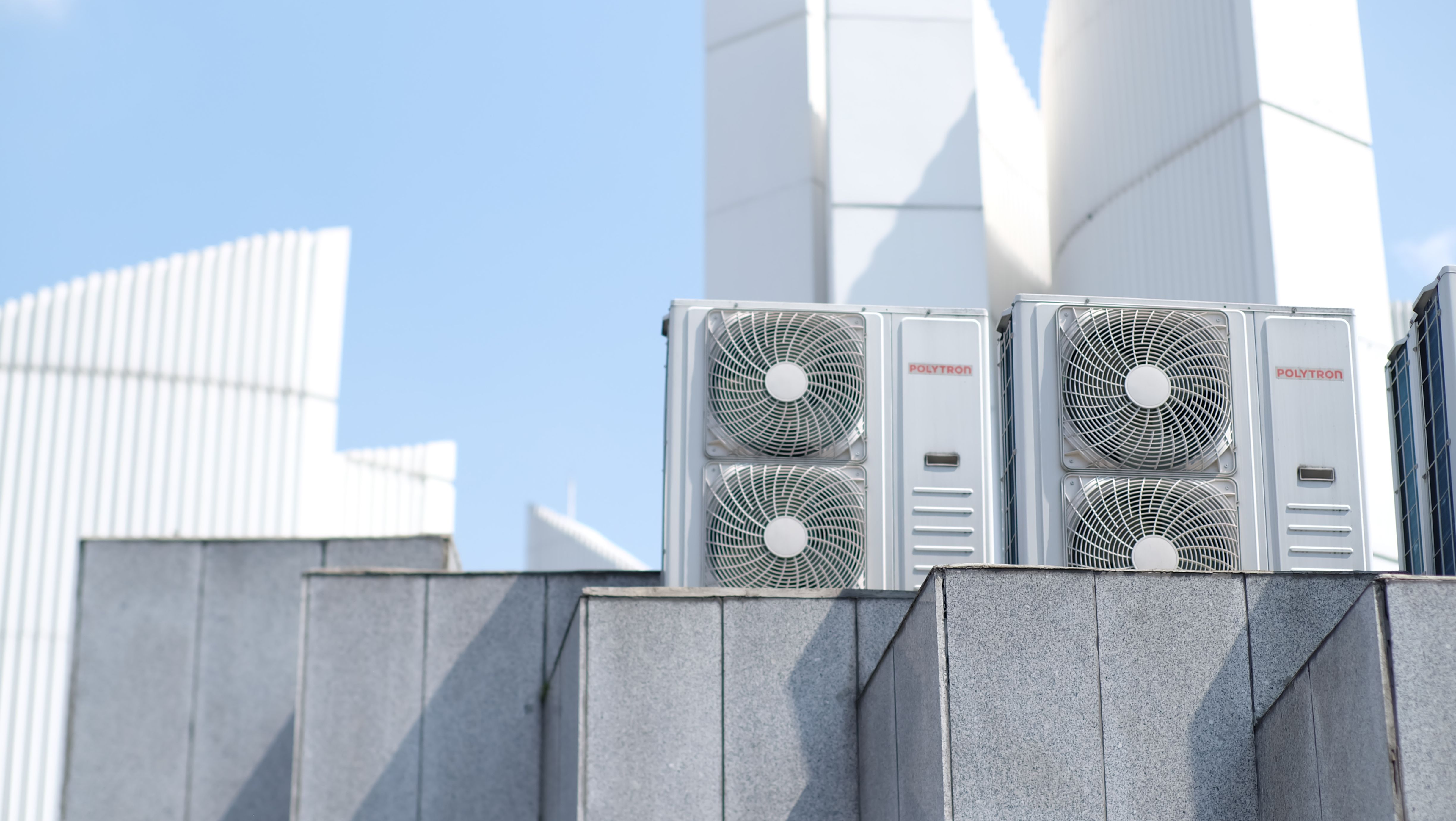 HVAC Duct & Filter Banks
Track static and differential pressure across coils, dampers and AHU filter banks, in offices and on plant floors, to keep airflow balanced and spot loading early.
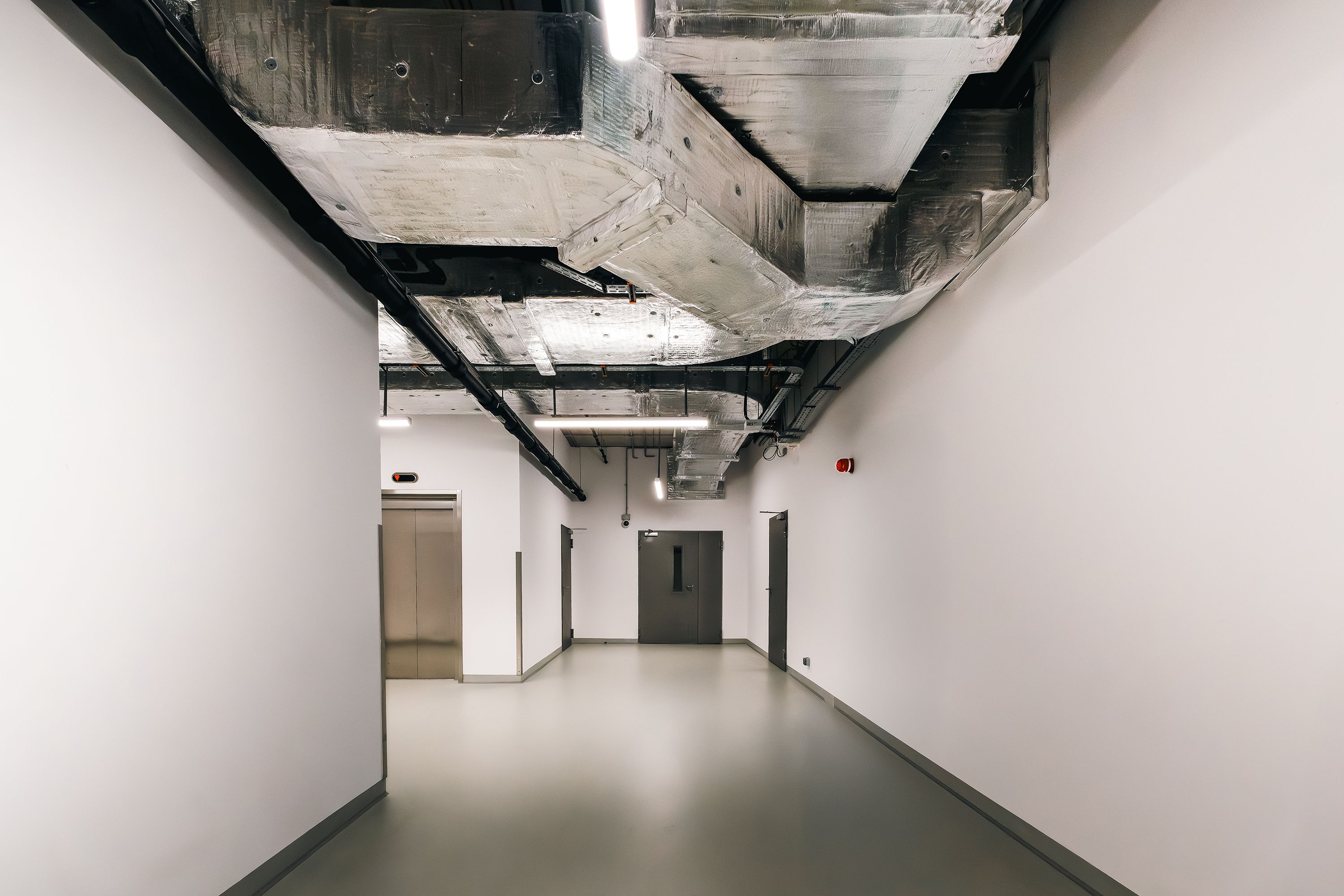 Air Flow & Velocity
Paired with a pitot tube or orifice plate, differential pressure gives you flow and velocity across ducts and process lines.
 Dust Collector & Baghouse
Monitor the pressure drop across baghouse or cartridge media to time pulse-cleaning and catch a torn bag before it fails compliance.
 Isolation & Containment Rooms
Prove pharmaceutical isolation and containment rooms hold their pressure envelope, with a logged record of every reading to protect batches and pass audits.
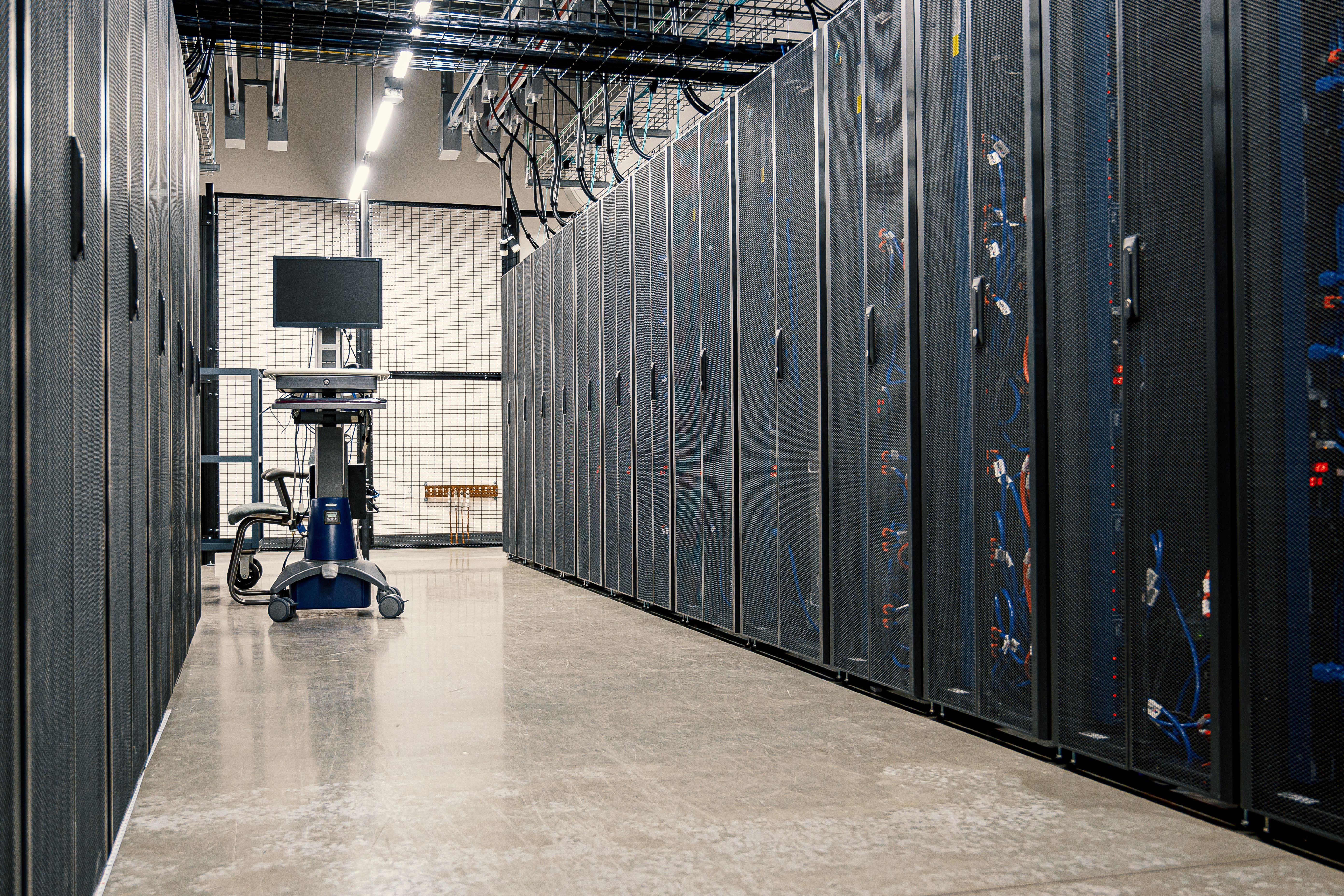 Data Center Aisle Containment
Watch hot-aisle and cold-aisle pressure and filter ΔP so cooling air goes where the servers need it.
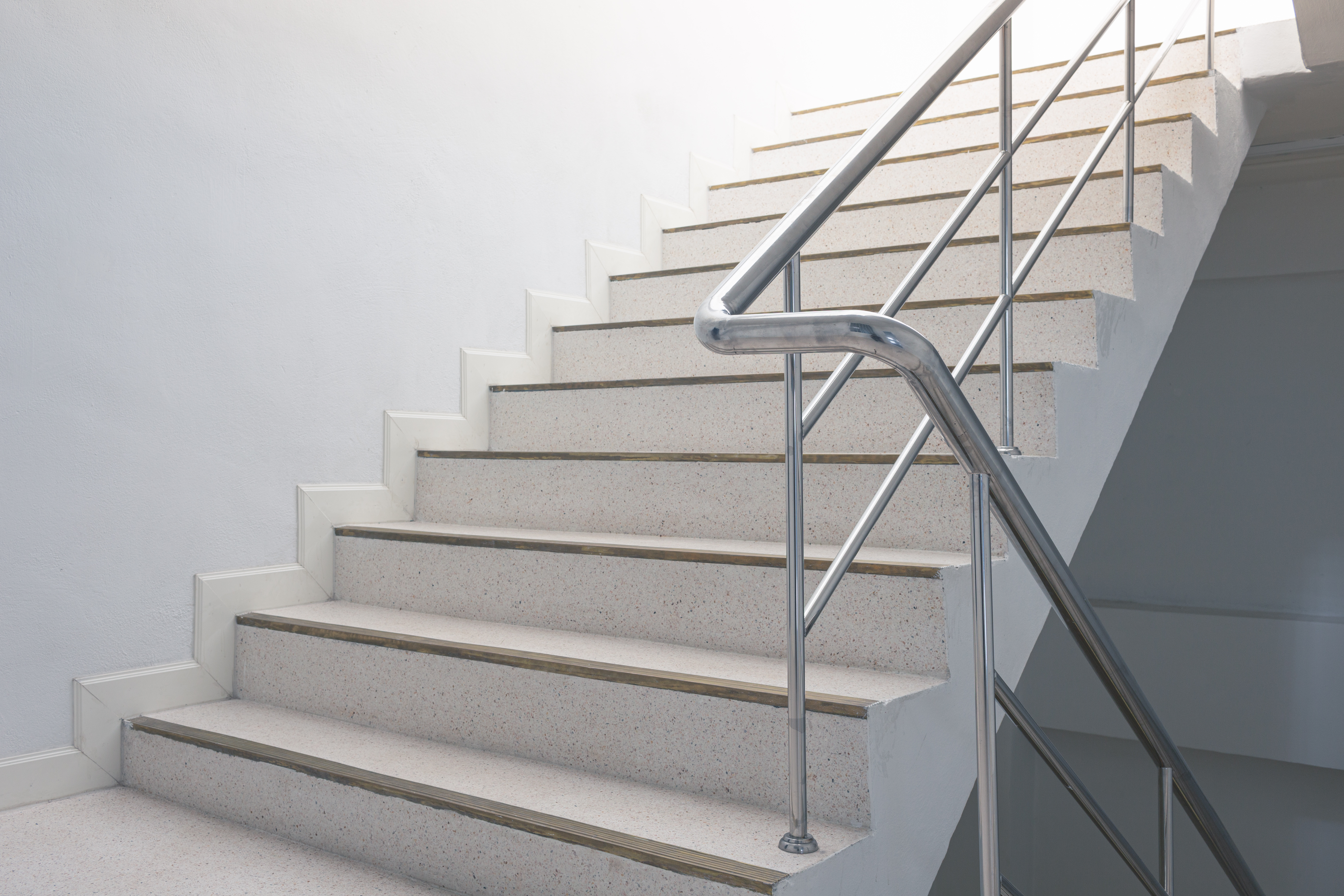 Stairwell & Building Pressurization
Verify stairwells and building zones hold their pressurization, on multi-year battery life with no wire to run.
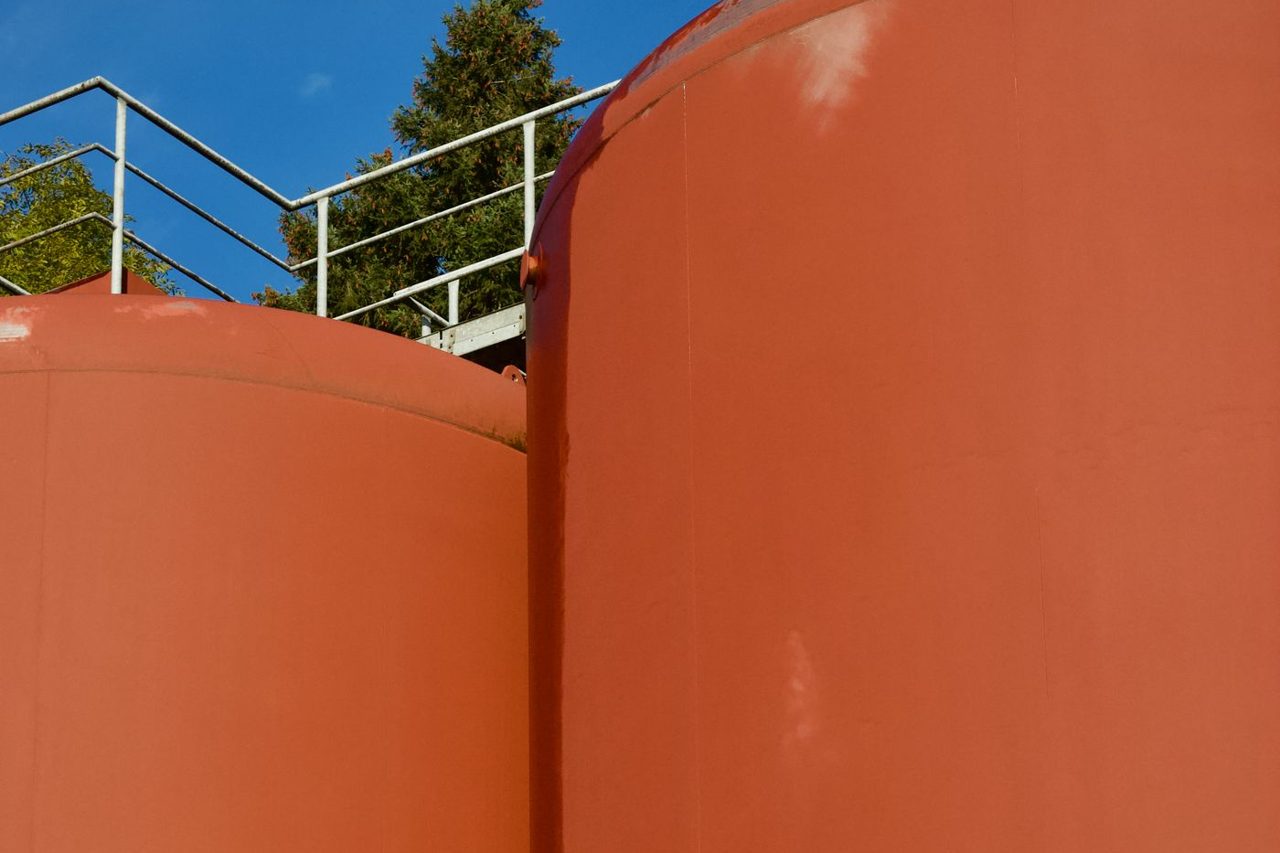 Scrubbers & Process Gas Filters
Track the pressure drop across scrubbers and gas filters in chemical and process plants handling dry, non-corrosive gases.
The math is simple. One purchase versus compounding monthly fees.
Pressure across the filter or room is one reading. These sensors cover the air and the fan that moves it, on the same Atrium gateway.
 Particulate Matter Sensor
Mount it downstream of the filter. Particle counts show what the filter is letting through.
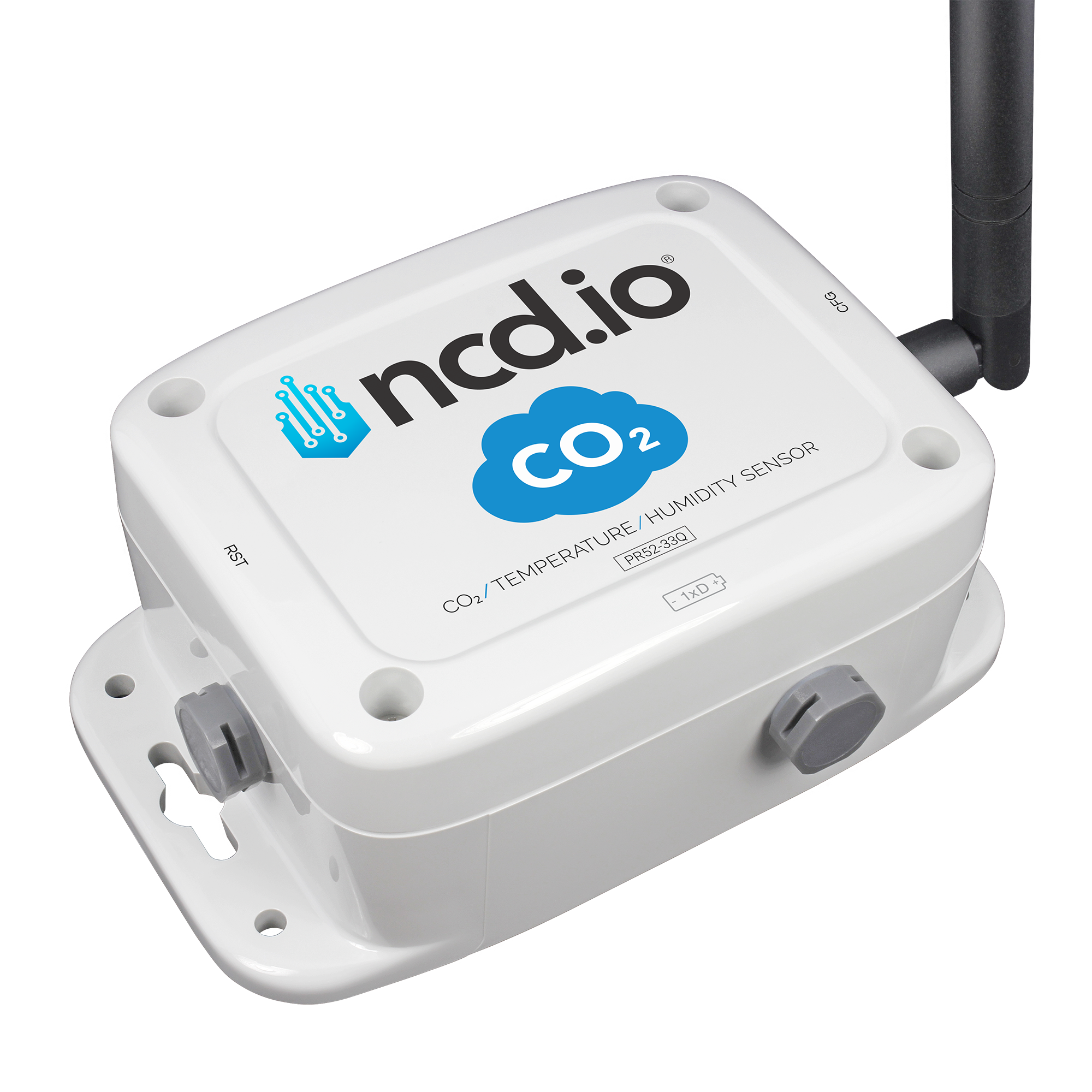 CO2 Temperature Humidity Sensor
Mount it in the room the system serves. CO2 shows whether the air change is keeping up with the people in it.
 Smart Vibration Sensor
Mount it on the supply or exhaust fan motor. A failing bearing shows up weeks before the airflow drops.
Answers to the most common questions about wireless differential-pressure monitoring.
It’s a battery-powered industrial sensor from NCD that measures the pressure difference between two ports, in both directions, and transmits readings wirelessly up to 2 miles. It resolves differential pressure to as fine as 0.01 PSI depending on the range you choose, also reports temperature, runs for years on a single D-cell battery, and carries no monthly fees or subscriptions.
Differential means it reports the difference between the pressures at PORT 1 and PORT 2 rather than a single absolute value. Bidirectional means that difference can be read as positive or negative, so the sensor tells you not just how large the difference is, but which side is higher, useful for airflow direction, room-pressure cascades, and reversing processes.
Choose from four bidirectional ranges — ±0.15 PSI (±4.2 inH₂O), ±0.30 PSI (±8.3 inH₂O), ±5 PSI (±139 inH₂O), or ±15 PSI (±416 inH₂O) — with roughly 18 special-order sensors for other spans. Resolution depends on the range you pick, reaching up to 0.01 PSI on the low-range sensors, which is what makes it suitable for tight cleanroom and room-pressurization work as well as filter monitoring.
It’s designed for dry, non-corrosive, non-ionic gases such as air and nitrogen. Connect the two ports (PORT 1 and PORT 2) to the two points you want to compare, for example the upstream and downstream sides of a filter, or a controlled room and its reference space. The sensor also reports temperature alongside each pressure reading.
It reaches up to 2 miles line-of-sight (about 1000 ft in dense urban environments). Because the sensor forms a self-healing wireless mesh of up to 256 nodes, a single Atrium gateway can collect readings from many sensors across large or multi-building facilities.
Battery life depends on how often it transmits. The sensor runs up to 5 years on a single D-cell battery and reports its battery status in real time. An external power option is also available for permanent installations.
No. The sensor has no monthly fees and no proprietary lock-in. You own your data and can keep it on your own network or forward it to AWS, Azure, or any MQTT broker through the Atrium gateway, there are no recurring software costs.
Yes. Readings flow through the Atrium gateway, which supports AWS, Azure, MQTT, Modbus, Node-RED, and a REST API. Data is encrypted with 128-bit AES in transit, and you can route it into existing SCADA, CMMS, or analytics platforms without vendor lock-in.
Yes. The sensor uses an IP65 main enclosure (rated on the box only, not the pressure ports), also rated to NEMA 1/2/4/4X/12/13 and UL-508. It is built to handle dust, washdown, and harsh plant-floor conditions.
The sensor is made in the USA and is RoHS compliant. Its 900MHz wireless module carries FCC (USA), IC (Canada), C-Tick (Australia), Anatel (Brazil), IDA (Singapore), and CE/RED certifications, so it can be deployed across many regions.
We publish our prices. There is no quote form, no login and no sales call between you and the number. The Ordering section of the spec table names each version we sell and its part number, so you can match the one you want before you order.
No. It is built for dry, non-corrosive, non-ionic gases, and the wetted materials are chosen for that. Liquids, condensing vapor and corrosive process gas are outside what it is rated for. If your differential measurement involves liquid, contact us and we will recommend the right approach.
Our engineers answer in public on the community forum, and the thread stays up for the next person with the same question.
Ask on the NCD Community ForumOne purchase. Full ownership. Industrial-grade differential-pressure monitoring that pays for itself.
Configure Your System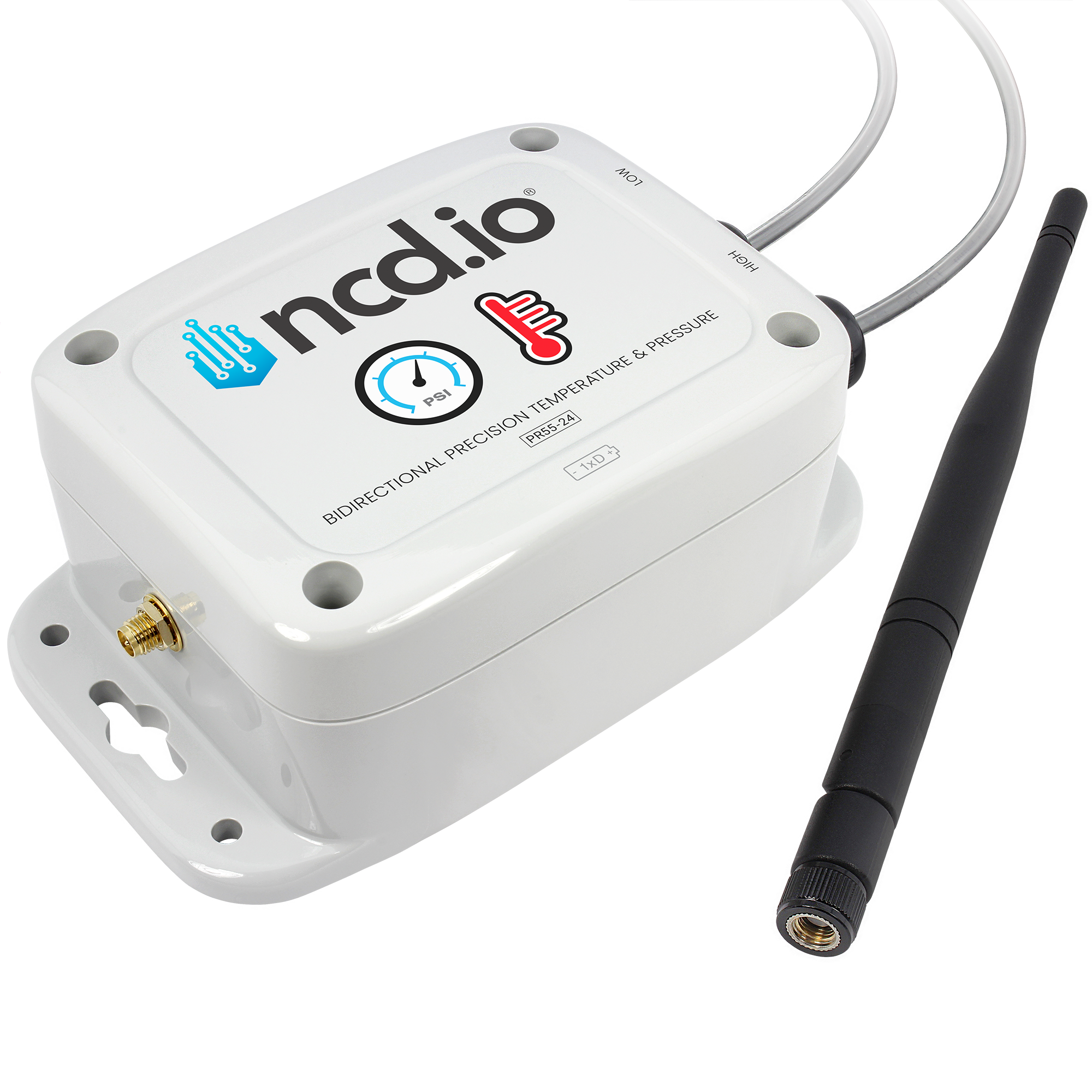 Precision Differential →
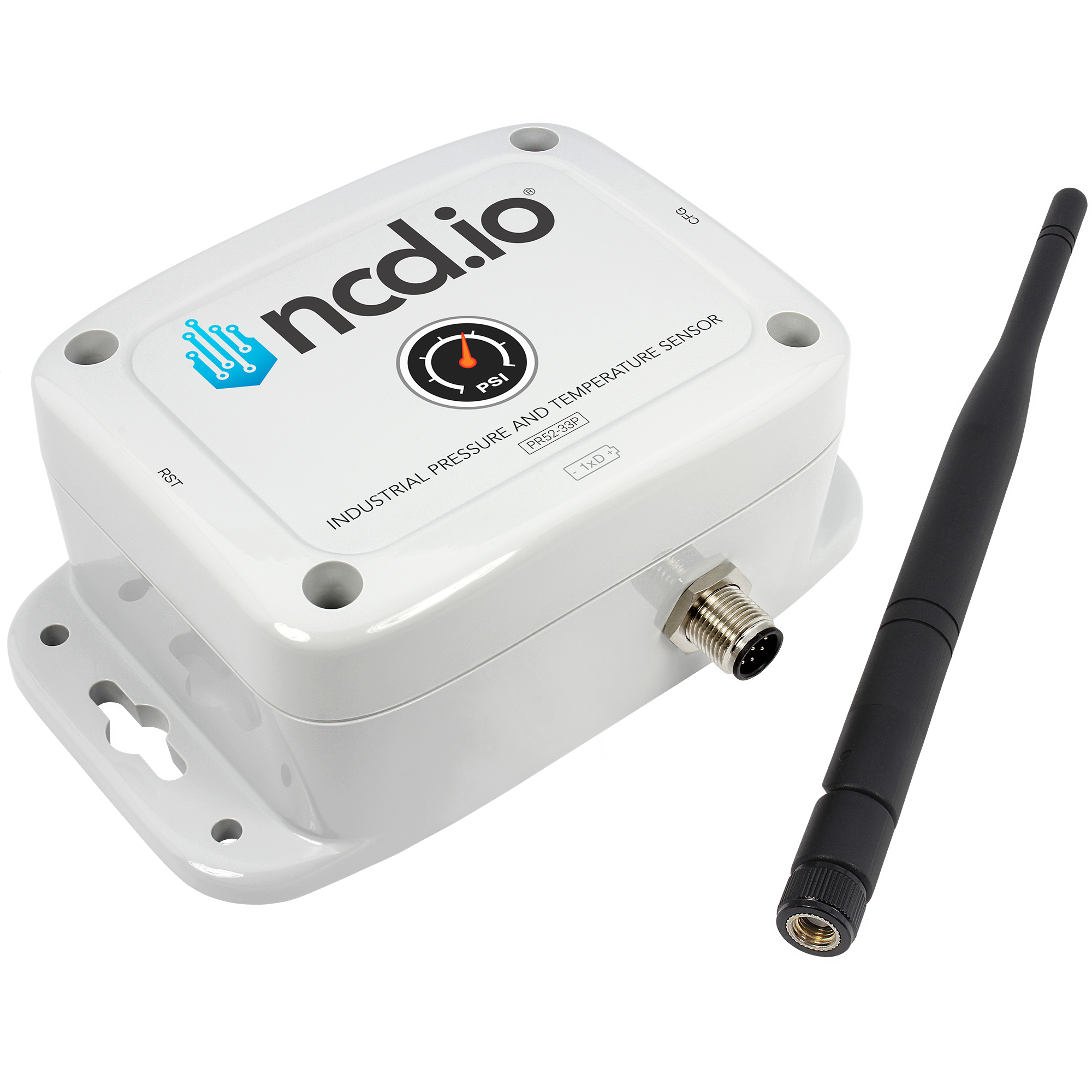 Pressure & Temperature →
