
 Made in the USA
Mount the sensor to the machine, power it on, and start streaming 3-axis vibration and temperature to your gateway. Four steps, and the whole thing takes minutes.
Attach the IP65 sensor directly to a motor, pump, or gearbox, magnetic mount for a quick survey, or the ¼”-28 UNF thread for a permanent stud. Closer to the bearing is better.
The hybrid D-cell and supercapacitor power source runs for years with no wiring to pull, or choose the external-power model where a permanent feed is available. Battery level reports with every transmission.
The sensor joins a self-healing wireless mesh network, relaying through other nodes to blanket coverage across the plant.
Watch live trends in your Atrium dashboard, and let threshold alerts open a work order the moment a signature climbs.
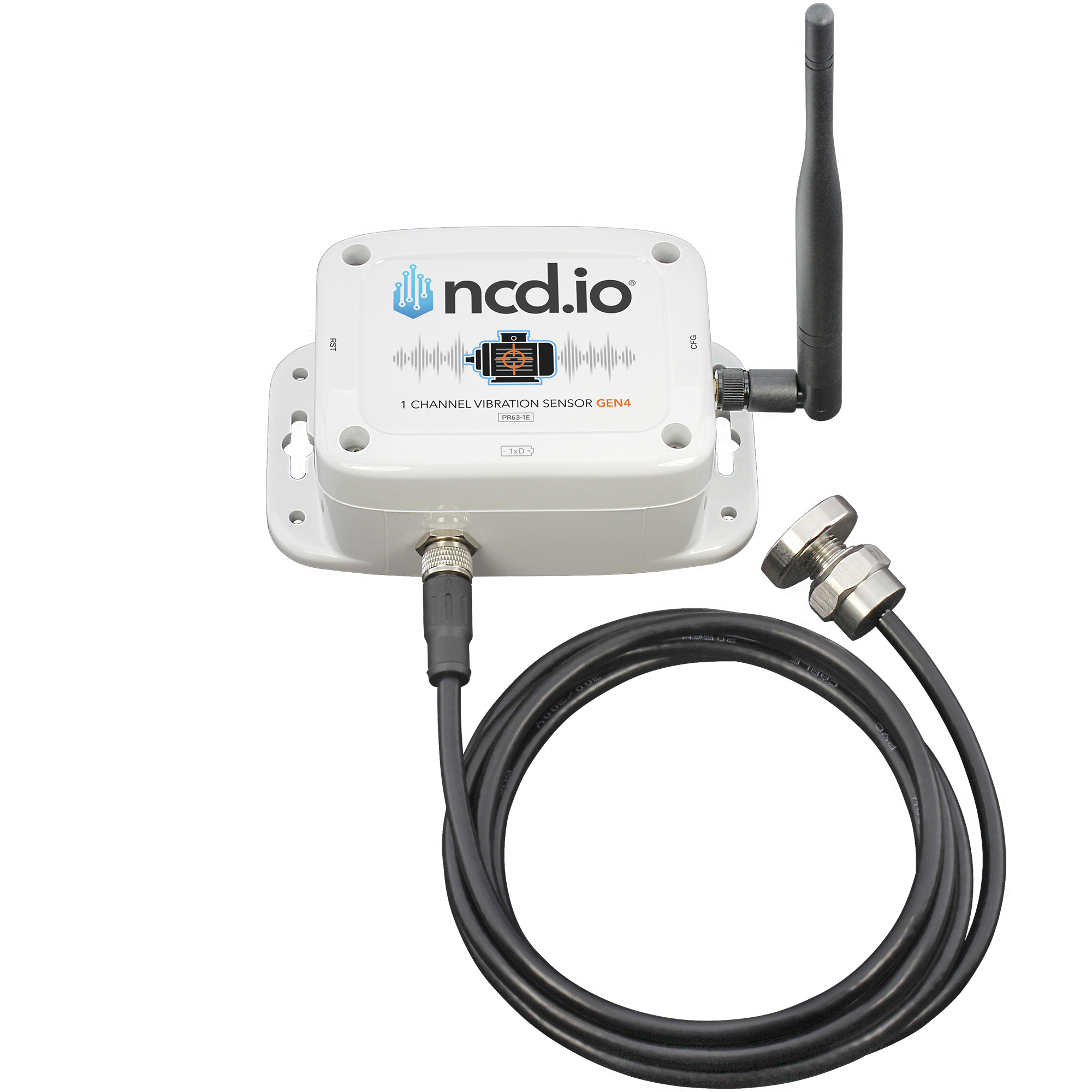
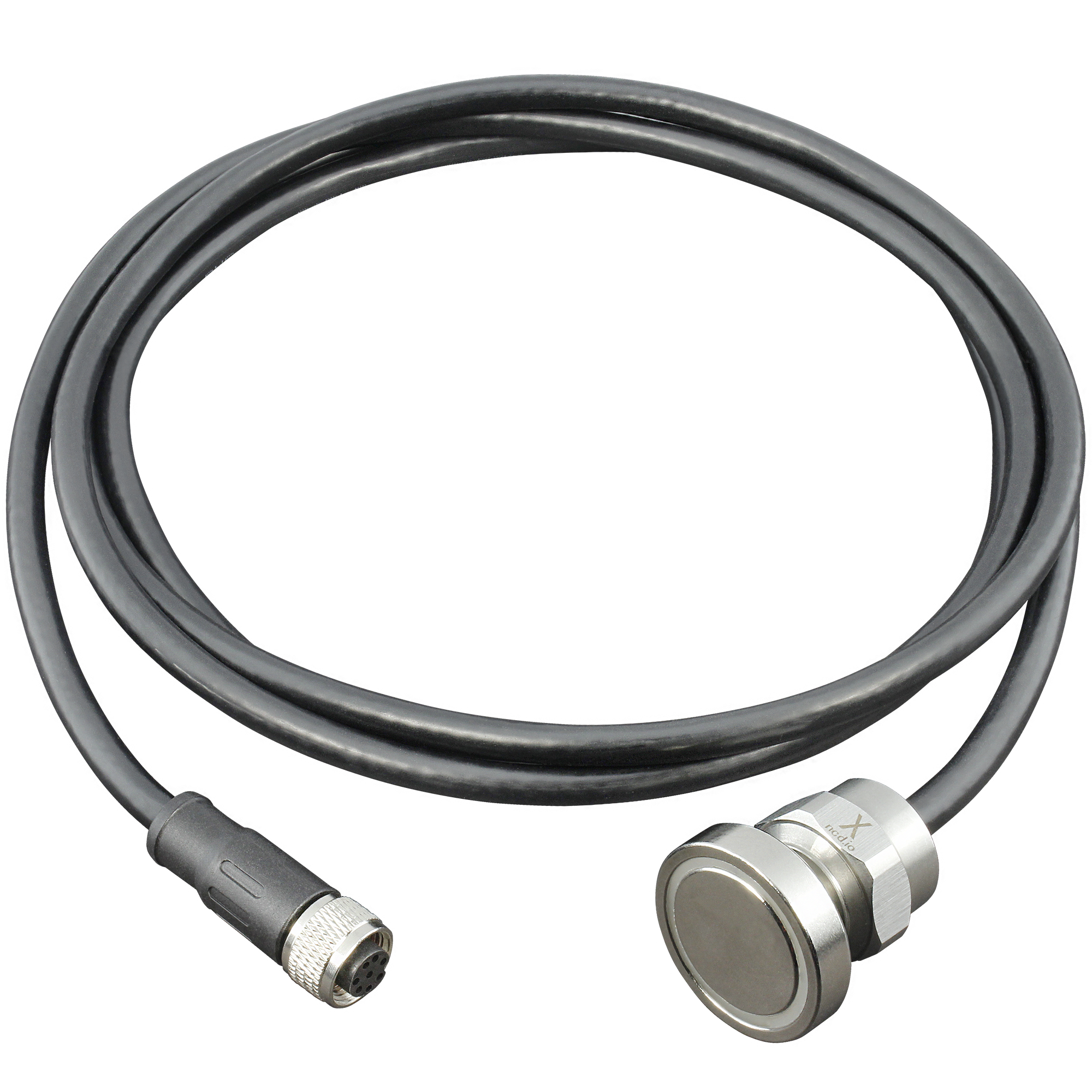
Both share the same 3-axis vibration core and Atrium platform. The difference is the form factor: this one puts the accelerometer on an external probe and adds an external antenna, so it reaches the spots (and the distances) a sealed puck cannot.
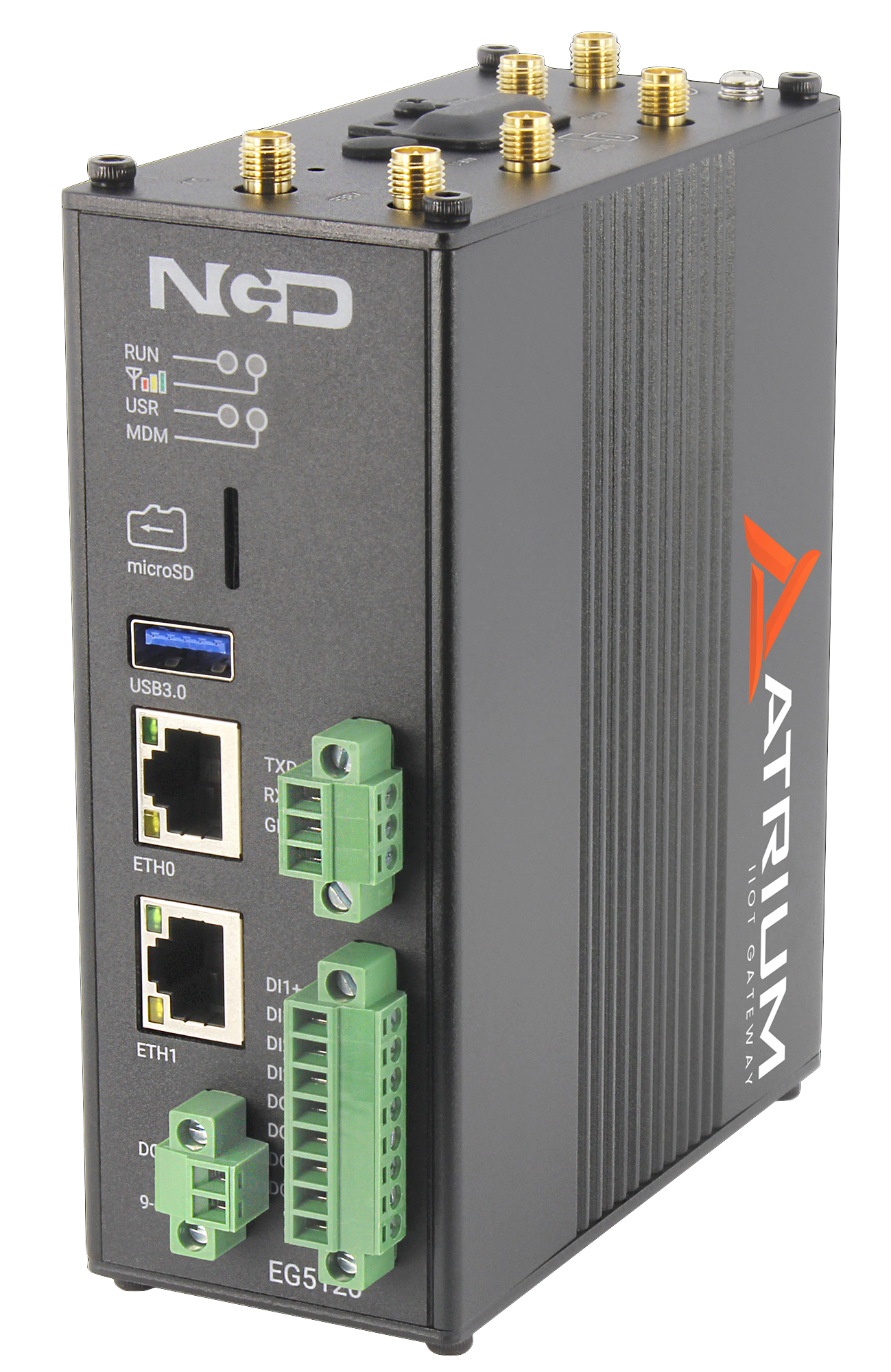
The Atrium Gateway isn’t just a data receiver. It’s a complete industrial IoT platform with dashboards, alerts, reporting, and built-in apps. Point your vibration and temperature sensors at it, open your browser, and go.
Drag-and-drop widgets let you build custom monitoring views for any audience, reliability engineers, maintenance planners, or plant managers. Track RMS velocity, peak acceleration, and temperature at a glance, with auto-refresh and fullscreen mode for control-room displays.
Turn a rising vibration signature or temperature into action. When RMS velocity or temperature crosses a threshold, Atrium can send email notifications, log the event, and actuate relay outputs to open a work order or stop the machine, all without writing a single line of code.
| Rule | Metric | Condition | Status |
|---|---|---|---|
| High Vibration Alert | RMS Velocity | > 7.1 mm/s | TRIGGERED |
| Bearing Watch | Peak Accel | > 4.0 g | OK |
| Overheat Watch | Temperature | > 80 °C | OK |
| Low Battery | Battery | < 15 % | OK |
Schedule recurring reports delivered straight to stakeholders’ inboxes. Fleet summaries, machine-group roll-ups, and vibration-alert digests, all generated automatically and emailed on your chosen cadence.
| Name | Type | Format | Schedule | Last Sent | Enabled |
|---|---|---|---|---|---|
| Daily Fleet Summary | Fleet Summary | Daily at 6:00 AM | 06/29/2026 | ON | |
| Vibration Alert Digest | Alert Digest | CSV | Daily at 8:00 AM | 06/29/2026 | ON |
| Line 3 Machine Group | Machine Group | PDF+CSV | Monday at 8:00 AM | 06/29/2026 | ON |
| Weekly Vibration Roll-Up | Fleet Summary | Monday at 7:00 AM | 06/22/2026 | ON | |
| Vibration Event Export | Custom SQL Query | CSV | Daily at 11:55 PM | 06/29/2026 | ON |
The App Center runs on the gateway itself, an app store on your own hardware with no cloud account and nothing to sign into somewhere else. Browse the catalog in your browser, install what the job needs in seconds, and update it in place. Your gateway starts as a lean core and grows only where your operation actually needs it.
Atrium works as a fully self-contained system, but when you need to integrate, Node-RED is built in and ready. Push vibration and temperature data to cloud platforms, databases, SCADA systems, or custom APIs, all configured through a visual flow editor.
Industrial-grade condition monitoring, delivered wirelessly and reliably.
A 3-axis accelerometer sampling up to 25.6 kHz at ±16g captures time-domain, overall vibration, and on-board FFT frequency-domain data, with noise as low as 70 µg/√Hz, the detail to separate imbalance from bearing wear and tie it to how hard the machine runs.
Push firmware to deployed sensors over the wireless mesh from the gateway, no field visits and no pulling units off the machine, so the whole fleet gains new features and fixes without downtime.
Advanced on-board machine-learning algorithms flag abnormal vibration patterns automatically. Always-listening motion detect wakes the sensor on movement, and you can run scheduled sampling for steady trending or interrupt-driven capture for immediate, event-based alerts.
The long-range wireless mesh reaches up to two miles line-of-sight and reroutes around obstacles, so coverage grows as you add sensors, with 128-bit AES encryption on every packet.
A hybrid D-cell and supercapacitor power source delivers up to 5 years of life with battery level on every transmission, or choose the external-power model for a permanent wired feed.
Every reading is temperature-compensated, so your vibration data stays consistent and reliable through swings in ambient plant conditions.
| Measurement | 3-axis vibration; time-domain, overall, and on-board FFT (frequency-domain) readings |
| Vibration sensing element | External mounting-reach probe |
| Accelerometer full-scale range | ±16g |
| Accelerometer sample rate | 100 Hz to 25.6 kHz, configurable |
| Accelerometer bandwidth | 6.3 kHz |
| Accelerometer noise | 70 µg/√Hz |
| Sample duration | 1 to 10 sec |
| RPM measurement | Shaft speed derived from the vibration signal |
| Edge intelligence | Built-in machine learning; motion detect; asset runtime |
| Temperature sensing | Integrated sensor in the base |
| Temperature range | −40 °C to +105 °C |
| Temperature accuracy | ±1 °C |
| Protocol | Self-healing wireless mesh |
| Antenna | External antenna for extended range |
| Frequency Bands | 868 MHz / 900 MHz / 2.4 GHz |
| Band class | Sub-GHz (868 / 900 MHz) — sub-gigahertz radio travels farther and penetrates walls and equipment far better than higher-frequency Wi-Fi or Bluetooth |
| Range, line-of-sight | Up to 2 miles (900 MHz) |
| Range, dense urban | ~1000 ft (900 MHz) |
| Transmitter power | 24 dBm (900 MHz) |
| Receiver sensitivity | -101 dBm (900 MHz, 200 Kbps) |
| Encryption | 128-bit AES |
| Battery | D-cell with Supercap |
| Battery capacity | 16,000 mAh |
| Battery life | Up to 5 years |
| Power Options | Battery only, or external power connector + battery |
| Enclosure rating | IP65 (main enclosure only) |
| Mounting | Wall-mount or magnet-mount |
| Height | 85 mm |
| Base diameter | 48 mm |
| Weight | 225 g |
| Operating temperature | -40 °C to +85 °C (component/enclosure rating) |
| NCD-tested temperature | 0 °C to 40 °C |
| Origin | Made in USA |
| Quality system | ISO 9001:2015 |
| Compliance | RoHS compliant |
| Battery-powered model | PR63-1E |
| External-power model | PR63-1E_PWR |
Anything that spins, pumps, or rotates is a candidate for continuous condition monitoring, and mounts in minutes on a single wireless mesh.
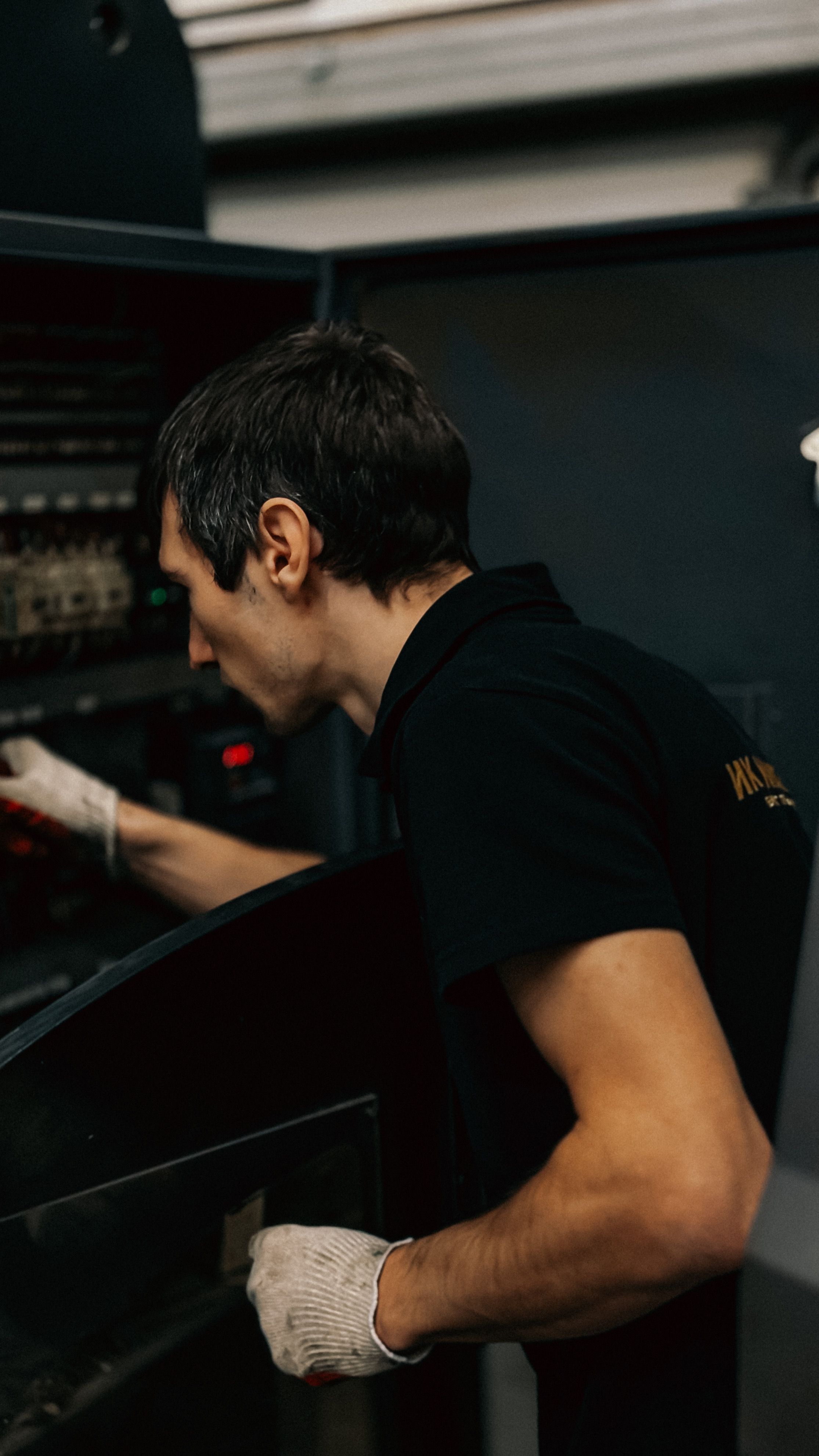 Motor Overheating & Overload Detection
Spot an overloaded motor or a bearing running hot on the integrated temperature channel, then confirm it against the vibration trend.
 Motor & Pump Monitoring
Catch bearing wear, cavitation, and imbalance on the motors and pumps that keep production moving.
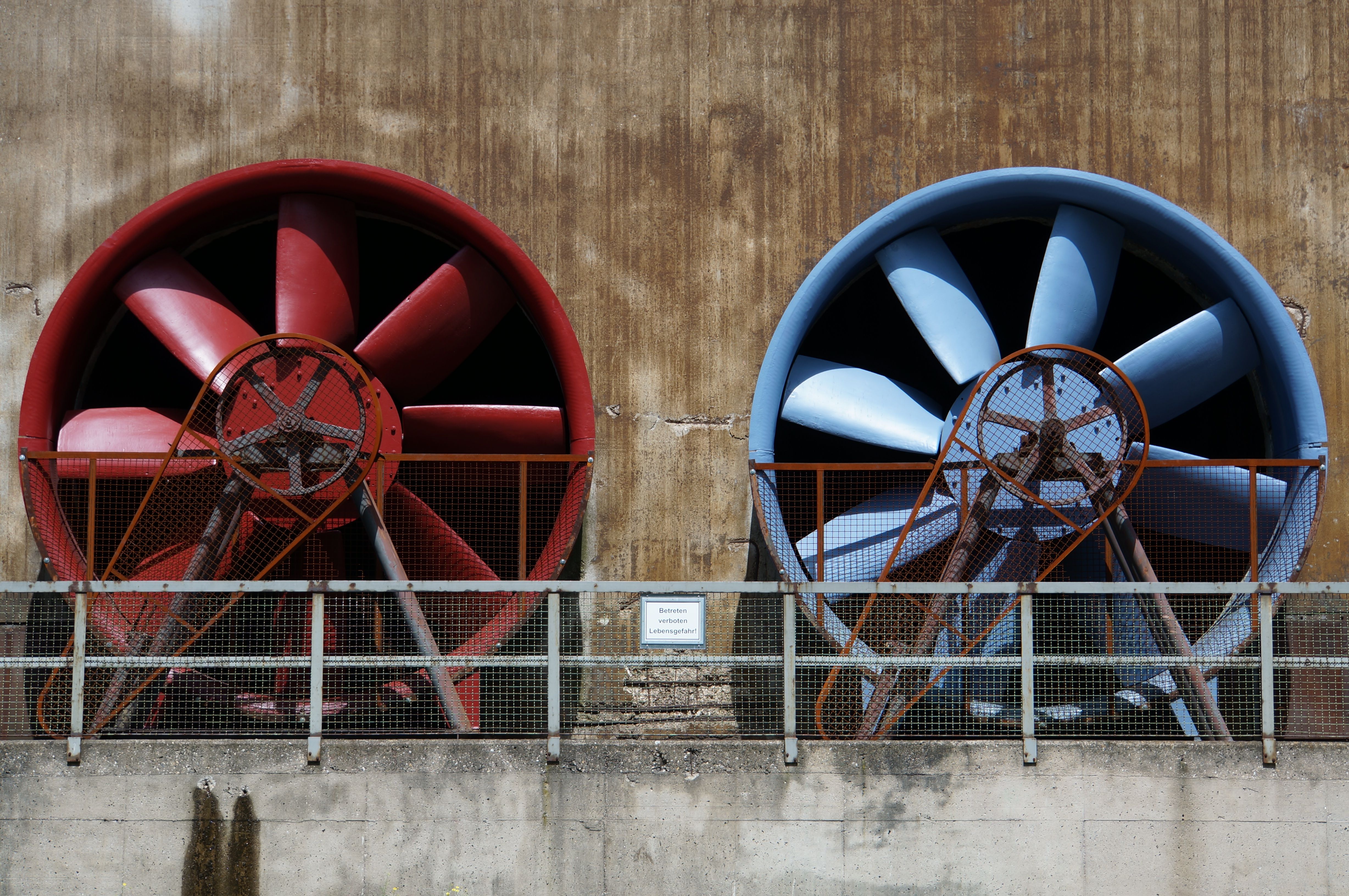 Fan & Blower Balancing
Detect imbalance and looseness on fans and blowers before it shakes the whole assembly loose.
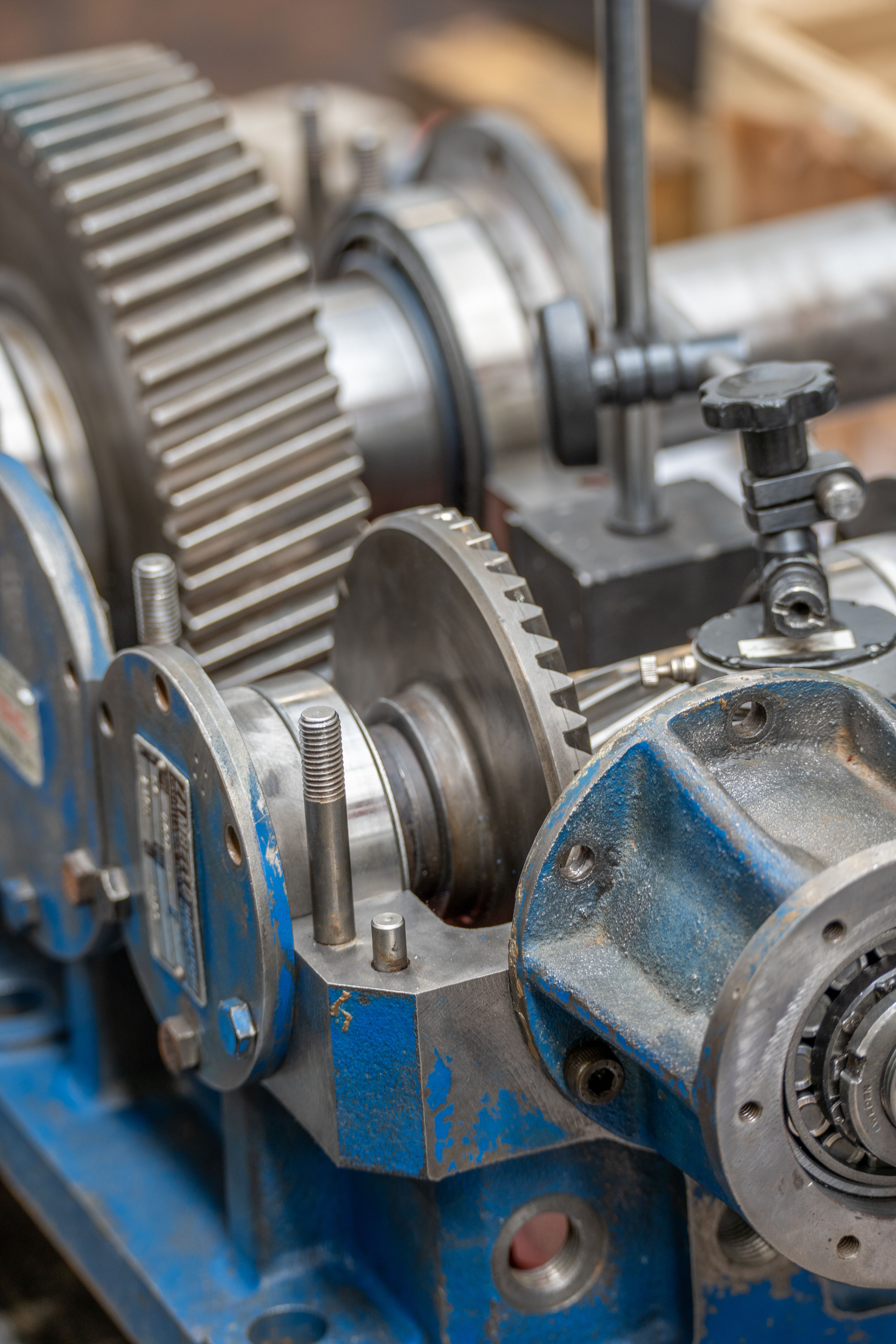 Compressor & Gearbox Health
Watch gear-mesh and compressor signatures for the early roughness that precedes a costly rebuild.
 Conveyor & Bearing Monitoring
Keep tabs on rollers, idlers, and drive bearings across long conveyor runs on a single mesh.
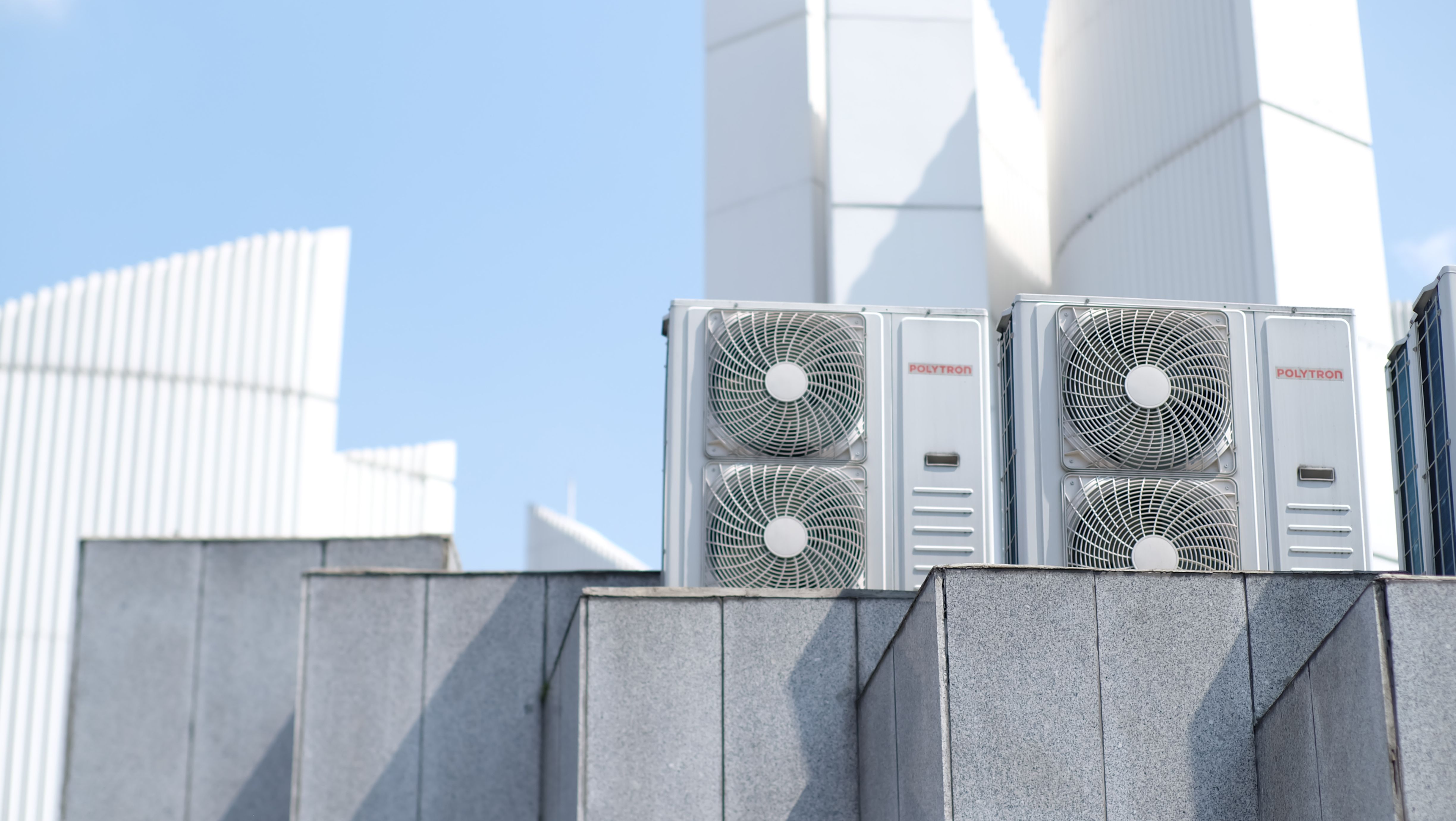 HVAC & Rotating Equipment
Monitor chillers, AHUs, and rooftop units for vibration faults without running power or signal wire.
The math is simple. One purchase versus compounding monthly fees.
The Gen4 Vibration Temperature Sensor keeps watch on the rotating equipment that production depends on.
Monitor motors, pumps, gearboxes, and conveyors across the plant floor on one wireless mesh.
Track pumps, compressors, and rotating equipment at remote and distributed sites.
Watch lift-station pumps, blowers, and mixers for the early signs of bearing failure.
Keep generation and balance-of-plant rotating assets running between scheduled outages.
Monitor process pumps, fans, and packaging-line drives where downtime spoils product.
Track chillers, AHUs, and rooftop units for vibration faults across a building or campus.
Watch crushers, vibrating screens, and long conveyor drives for bearing wear at remote pits.
Monitor dryer rolls, refiners, and stock pumps where a seized bearing tears an entire web.
Trend stamping-press flywheels, machine-tool spindles, and coolant pumps between planned rebuilds.
Everything you need to know about the Industrial IoT Wireless Vibration Temperature Sensor Gen4.
It measures 3-axis vibration with time-domain, overall, and on-board FFT frequency-domain readings, plus temperature from an integrated sensor in the base. A 3-axis accelerometer samples at up to 25.6 kHz across a ±16g full-scale range, and the integrated temperature sensor reads from −40 °C to +105 °C with ±1 °C accuracy.
The accelerometer samples at up to 25.6 kHz (configurable from 100 Hz). A high sample rate captures the higher-frequency content where early bearing and gear faults first appear, so you can separate imbalance from bearing wear rather than just seeing an overall vibration number rise.
A failing bearing or an overloaded motor runs hot, so the integrated temperature sensor adds a channel vibration can’t see. Trend the two together and you can tell a real developing fault from noise before you schedule a repair.
Yes. The sensor includes built-in machine learning and is always listening with motion-detect wake, and it reports asset runtime, so you learn not just how a machine vibrates, but how long it actually runs between idle periods.
Yes. The sensor derives shaft speed (RPM) from the vibration signal, so you can track motor speed on variable-frequency drives (VFDs) and tie a vibration trend to how hard the machine is actually running, useful for performance optimization as well as fault detection.
Up to 2 miles line-of-sight on the 900 MHz band, or roughly 1000 ft in dense-urban conditions. Sensors also relay through one another, so coverage extends across larger or obstructed plants as you add nodes.
The hybrid D-cell-plus-supercapacitor power source delivers up to 5 years of battery life, depending on how often the sensor transmits, with battery level reported on every transmission. A second model adds an external power connector for installations where a permanent wired feed is available.
Two ways: a magnetic mount for fast, tool-free placement during a survey, or a ¼”-28 UNF threaded stud for a permanent, repeatable installation. For the best data, mount it in the bearing “load zone” on a clean, solid metal surface (not a thin fin or plastic cover), as close to the bearing as practical. Because the sensor is tri-axial, keep its orientation consistent from install to install so trends stay comparable.
No. The sensor is a one-time purchase with no subscription or recurring cloud fee. Paired with an Atrium Gateway, you get dashboards, alerts, and reporting with no per-machine software charge, you own the hardware and the data it produces.
Wherever you choose. Data stays on your network with no required NCD cloud account. Through Atrium’s built-in Node-RED you can forward readings to AWS, Azure, Google Cloud, any MQTT broker, a local SCADA system via Modbus, or your own REST API.
The sensor reports in metric, velocity in mm/s, displacement in mm, and acceleration in g. If you prefer imperial units, convert them downstream: Atrium’s built-in Node-RED can turn mm/s into inch/s (1 mm/s = 1/25.4 inch/s) with a short function node before the value is displayed or logged, so your dashboards read in whatever units your team uses.
Yes. The sensor is designed and manufactured in-house by National Control Devices in the USA, built under an ISO 9001:2015 quality system, and is RoHS compliant. Many NCD products carry a 5-year warranty, and you’ll always reach a US-based engineer for support, contact NCD to confirm coverage for your configuration.
We publish our prices. There is no quote form, no login and no sales call between you and the number. The Ordering section of the spec table names each version we sell and its part number, so you can match the one you want before you order.
It reads surface temperature at the probe and the sensor base, which is what you want for a bearing housing. It is not reading the internal, process or fluid temperature of the machine. If you need the temperature inside the equipment rather than on it, a thermocouple or RTD sensor is the right tool and we can help you choose.
Our engineers answer in public on the community forum, and the thread stays up for the next person with the same question.
Ask on the NCD Community ForumOwn the hardware and monitor vibration and temperature for the life of the asset, catching the fault while it’s still a work order, not a breakdown.
Buy Now Smart Vibration →