
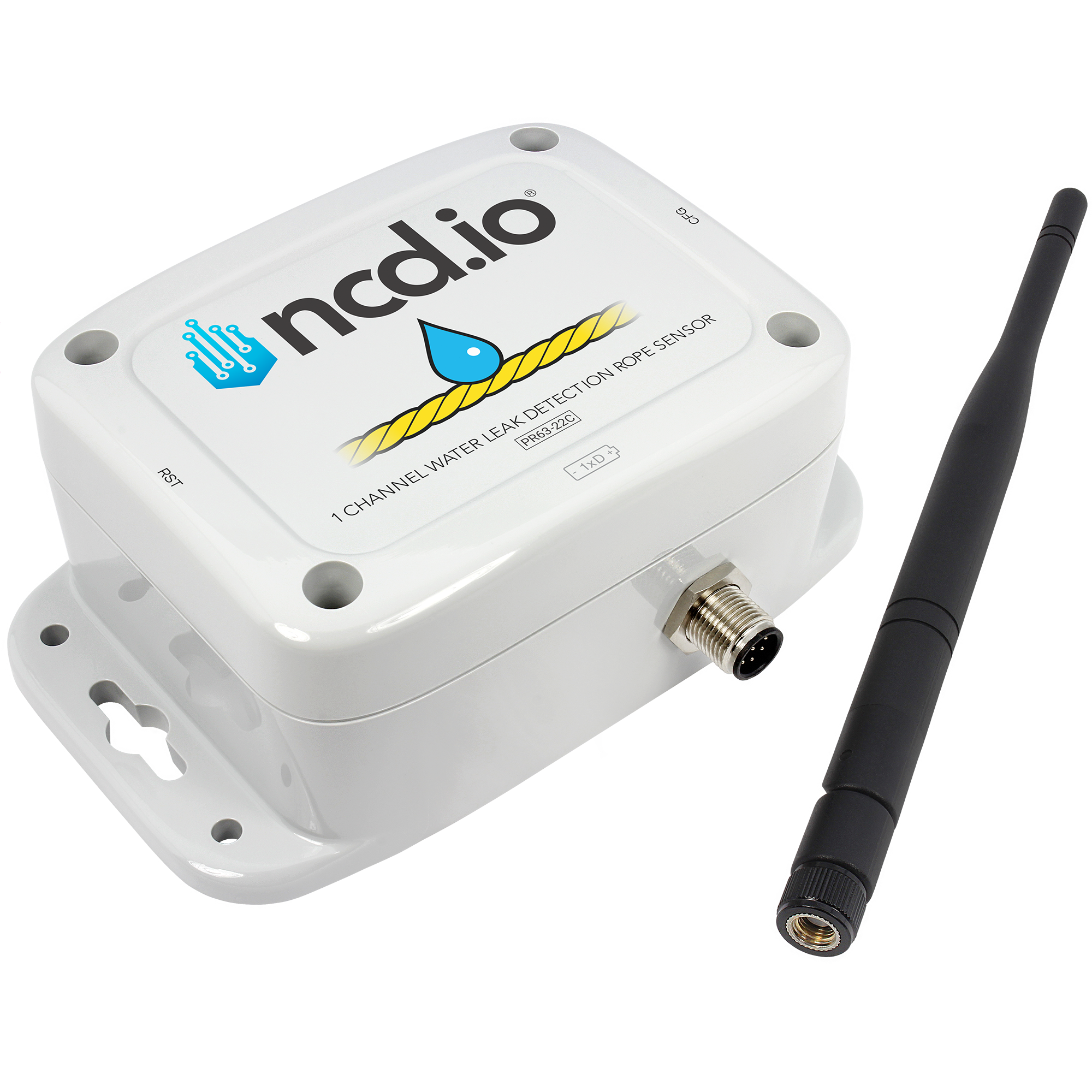
 Made in the USA
Place the sensor, power on, and get alerted the moment water shows up.
Lay the rope along the path a leak would follow — against a wall, a drip line, or a low point on the floor. The moment any part of it senses water, it transmits.
Mount the enclosure near the area you’re protecting. Run on the D-cell with Supercap (included), or add the external-power option for permanent installations.
The sensor joins a self-forming network, up to 2-mile line-of-sight range with the on-board antenna.
Browser dashboards, threshold email alerts, and CSV export through the Atrium gateway. Catch a leak the moment it starts.
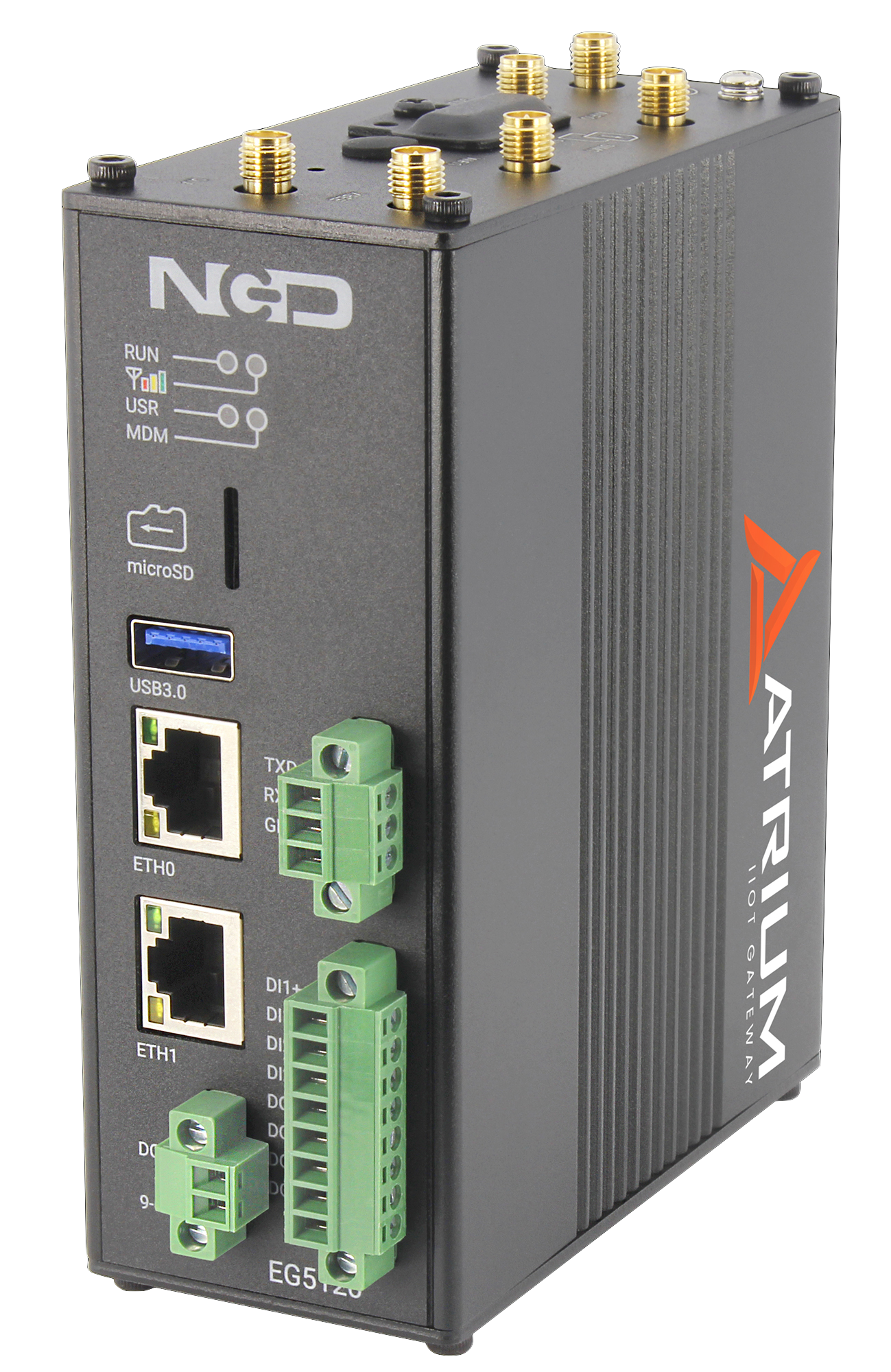
Pair the sensor with an Atrium Gateway, open a browser on your network, and drag the readings you care about onto a dashboard. No code to write.
Industrial water leak detection built to run unattended for years.
Most leak sensors only tell you water showed up. This one transmits the instant it goes dry to wet and again when it dries out — so you also know when a leak is cleared and the run is ready to catch the next one.
The moment water bridges the rope, the sensor picks it up. It works by sensing the water’s conductance, so it reliably catches the water found in real facilities: tap, ground and rain water, process water, condensate, and wash-down.
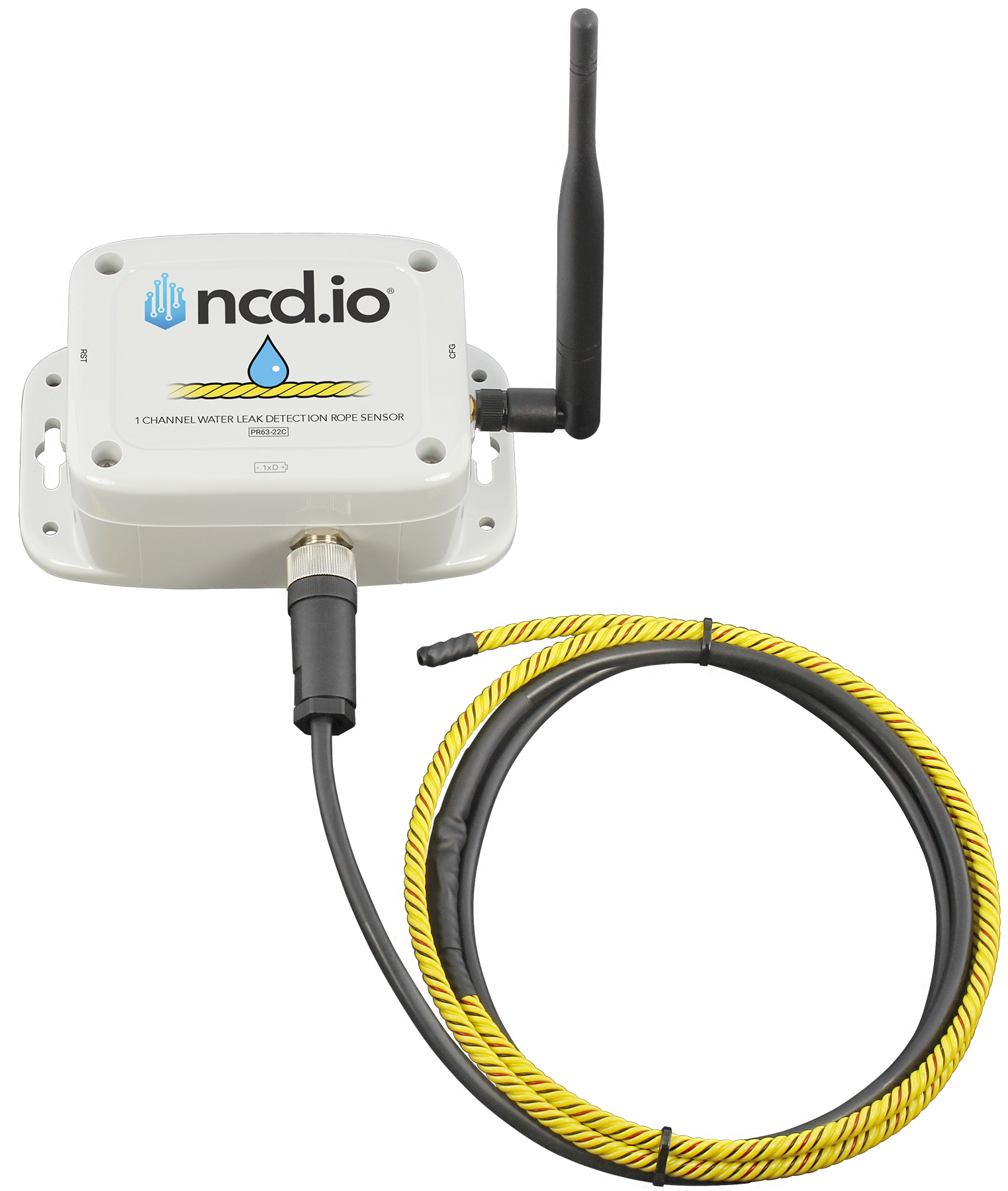
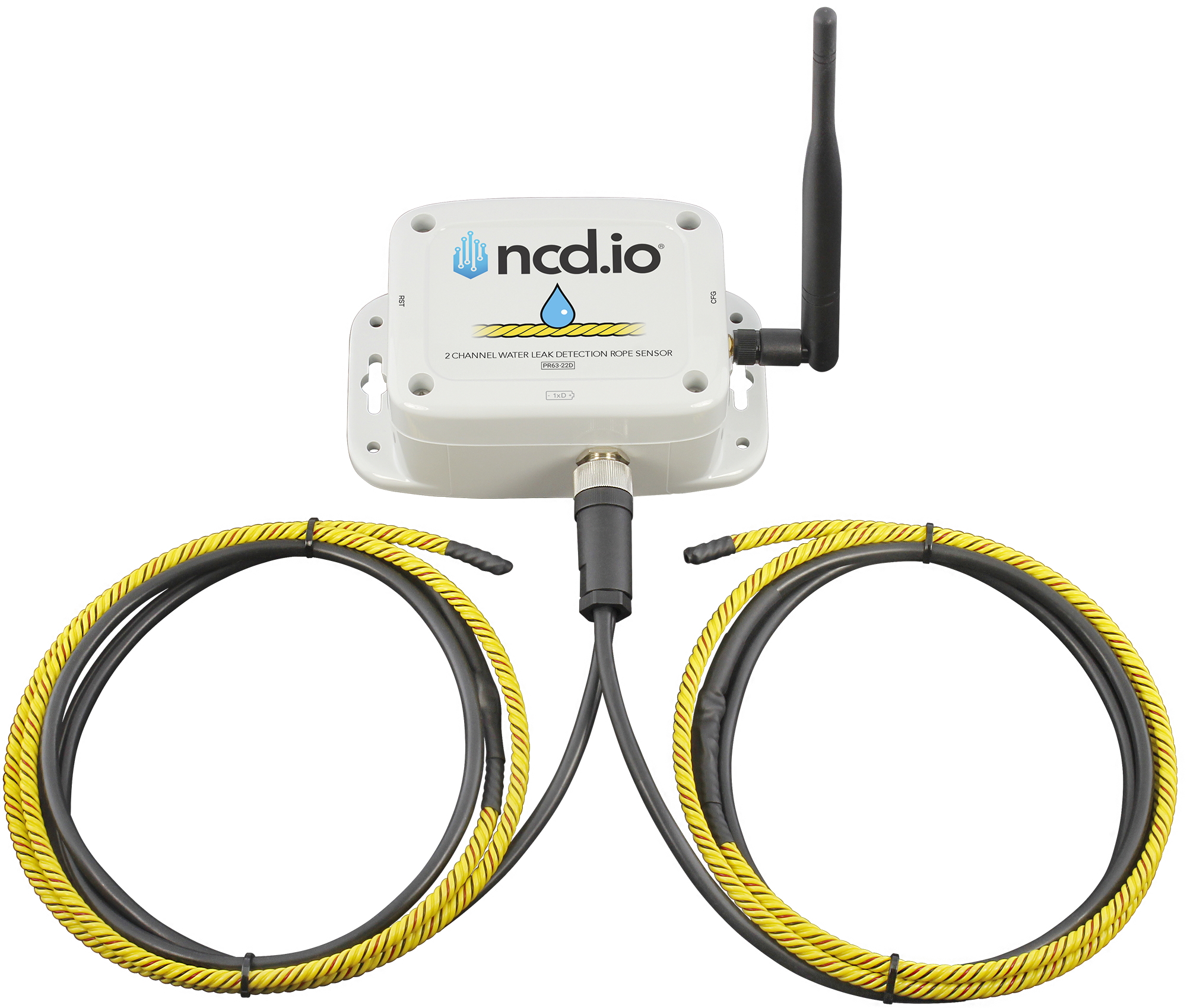
The detection rope senses moisture anywhere along its length, not just at one point — 1 meter of rust-proof sensing rope on a 1-meter lead, with custom lengths available. The transmitter stays mounted clear and dry while the rope does the sensing. Add a second channel to cover two runs from one device.
Up to 5 years of battery life from a D-cell with Supercap (included). The sensor reports on a user-preset interval and immediately whenever the wet/dry state changes.
The rugged enclosure stands up to dust and the damp environments where leaks tend to happen, so the transmitter keeps working in the spots that punish electronics.
Update firmware over the air (OTA / FOTA) across your fleet. No climbing into crawl spaces, no removing sensors from service.
Same job, a very different approach. Here’s where this sensor pulls ahead of the wireless leak detectors most teams have seen.
| Channels | One or two independent detection channels (your choice) |
| Detection | Water presence or non-presence (wet or dry condition) |
| Sensing Element | Water detection rope — rust-proof, senses water anywhere along its length |
| Sensing Options | Rope with 1 meter of sensing rope at the end of a 1 meter lead cable (custom lengths available) |
| Two-Way Alerts | Transmits when a dry sensor becomes wet, and again when a wet sensor becomes dry |
| Transmission Trigger | User-preset periodic interval, plus immediate on a change of input state |
| Protocol | Long-range wireless mesh |
| Frequency Bands | 868 MHz / 900 MHz / 2.4 GHz |
| Band class | Sub-GHz (868 / 900 MHz) — sub-gigahertz radio travels farther and penetrates walls and equipment far better than higher-frequency Wi-Fi or Bluetooth |
| Range (line of sight) | Up to 2 miles (on-board antenna) |
| Integration | Open communication protocol (no proprietary lock-in), AWS, Azure, MQTT, Node-RED, or any modern interface |
| Battery | D-cell with Supercap |
| Battery Life | Up to 5 years (interval & environment dependent) |
| Firmware | Over-the-air (OTA / FOTA) updates across the mesh |
| Power Options | Battery only, or external power connector + battery |
| Mounting | Wall-mount or magnet-mount |
| Enclosure | IP65 (main enclosure only) |
| Environment | Ideal for indoor and outdoor applications |
| Sensing element | Water detection rope (length-sensing) |
| Detection points | One or two channels |
| Power | Battery powered, or external power connector + battery |
The rope senses water along its entire length, so a single sensor covers a whole line instead of one point — a rack-row perimeter, a pipe run, the base of a tank, a foundation wall. Lay it where a leak could surface anywhere, and the first drop to touch the cable trips a wet/dry alert. These are the long runs and perimeters a spot sensor would miss by inches.
 Server-Room & Raised-Floor Perimeters
Chilled-water loops feed racks from every direction, so a drip can surface anywhere under the floor. Run the rope along the rack rows and floor edges to cover the whole room, not one tile.
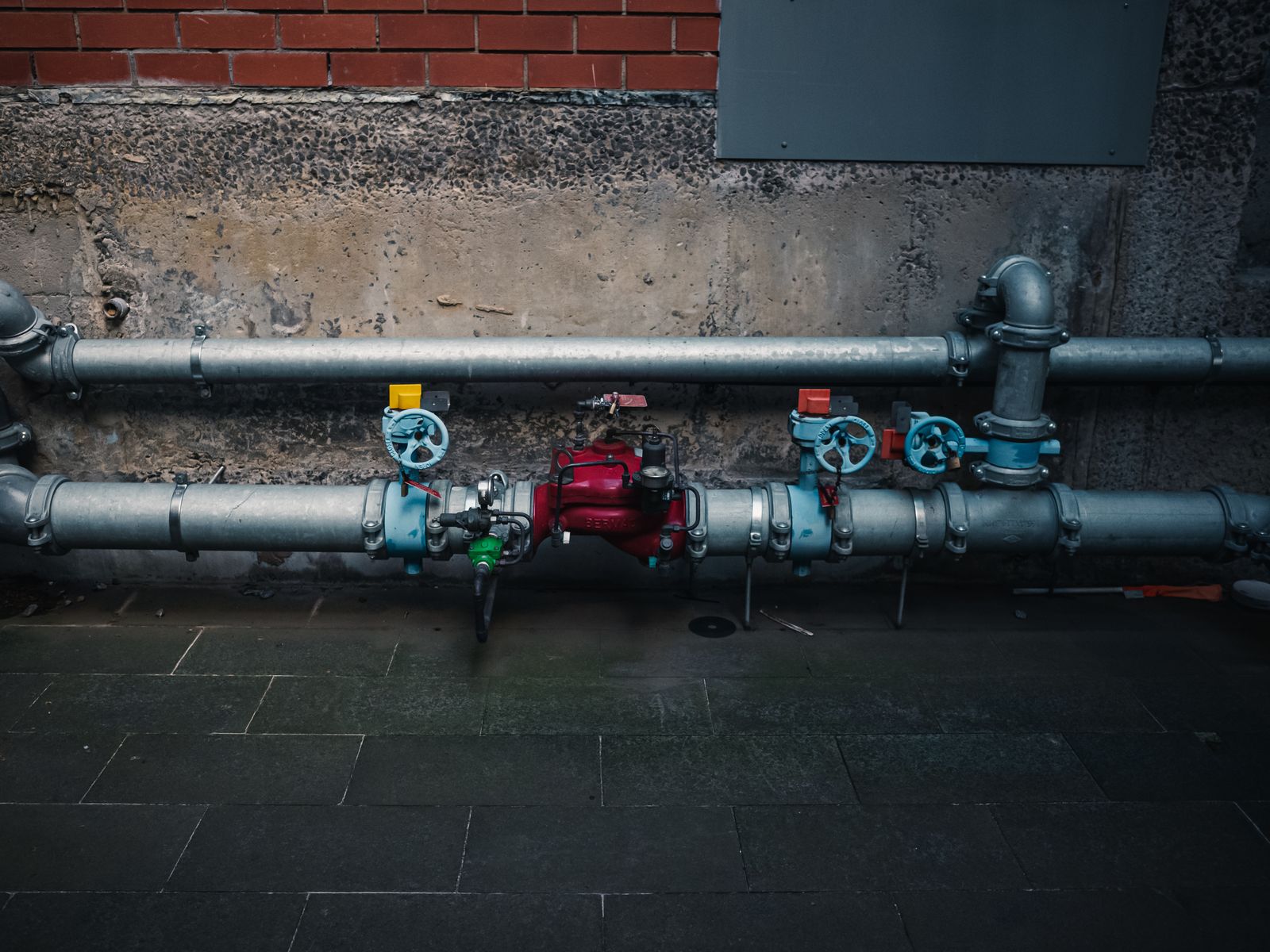 Under Long Pipe & Mechanical Runs
A long pipe run can weep at any joint, union, or valve along its length. Lay the rope under the full run and the first drop trips the alert — wherever on the line it starts.
 Basement & Foundation Wall Lines
Seepage doesn’t pick one spot — it comes in along the wall. The rope follows the foundation line and catches water at whatever section gives way first.
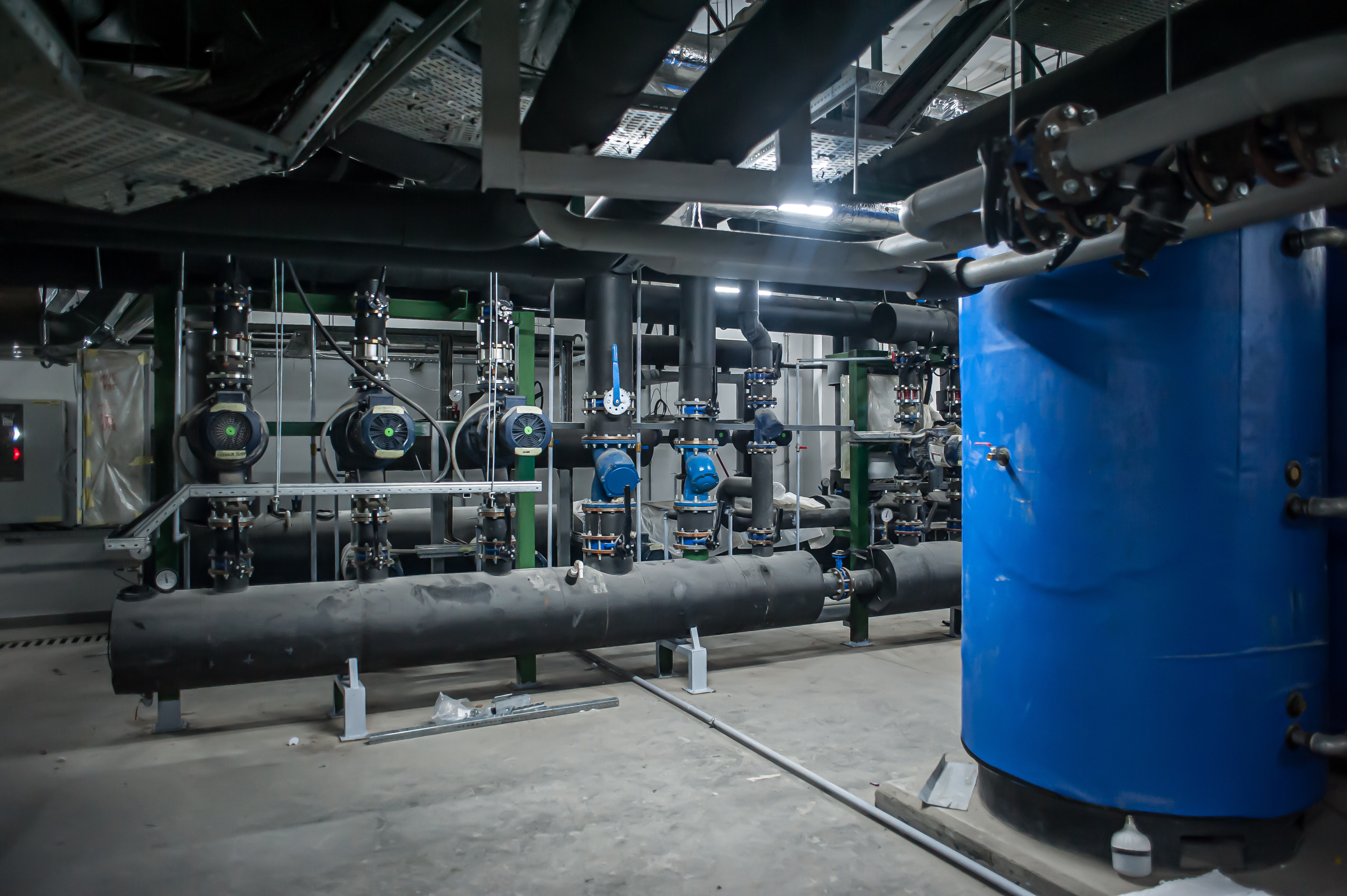 Boiler & Mechanical-Room Footprints
A row of tanks, heaters, and pumps has too many failure points for one puck. Ring the equipment footprint with the rope so a leak from any unit is caught at the perimeter.
 Trench Drains & Floor Channels
Trench drains and wash-down channels back up somewhere along the run, not at one grate. Lay the rope down the channel and an overflow is caught the moment it rises.
 Loading Docks & Warehouse Wall Lines
Rain drives in under dock doors and along exterior walls — a long line no single sensor can cover. Run the rope down the wall and inventory is protected across the whole span.
This is the rope sensor — one continuous run of sensing rope. One quick choice is left: how many runs you need to watch. Both configurations use the same rope; pick one or two and select it in the options on this page.
A single rope run — lay it along the one line that matters most, where a leak is most likely to surface first. Because the whole rope senses, one run covers the entire path it follows, not just one point. One wet/dry state, one set of alerts, one device to place.
Two independent rope runs from one sensor — sharing one battery, one radio, and one mesh connection. Each reports its own wet/dry state and fires its own alerts, so one device covers two runs.
The math is simple. One purchase versus compounding monthly fees.
A leak alert is one part of the room. These sensors cover the pump, the pit and the air, on the same Atrium gateway.
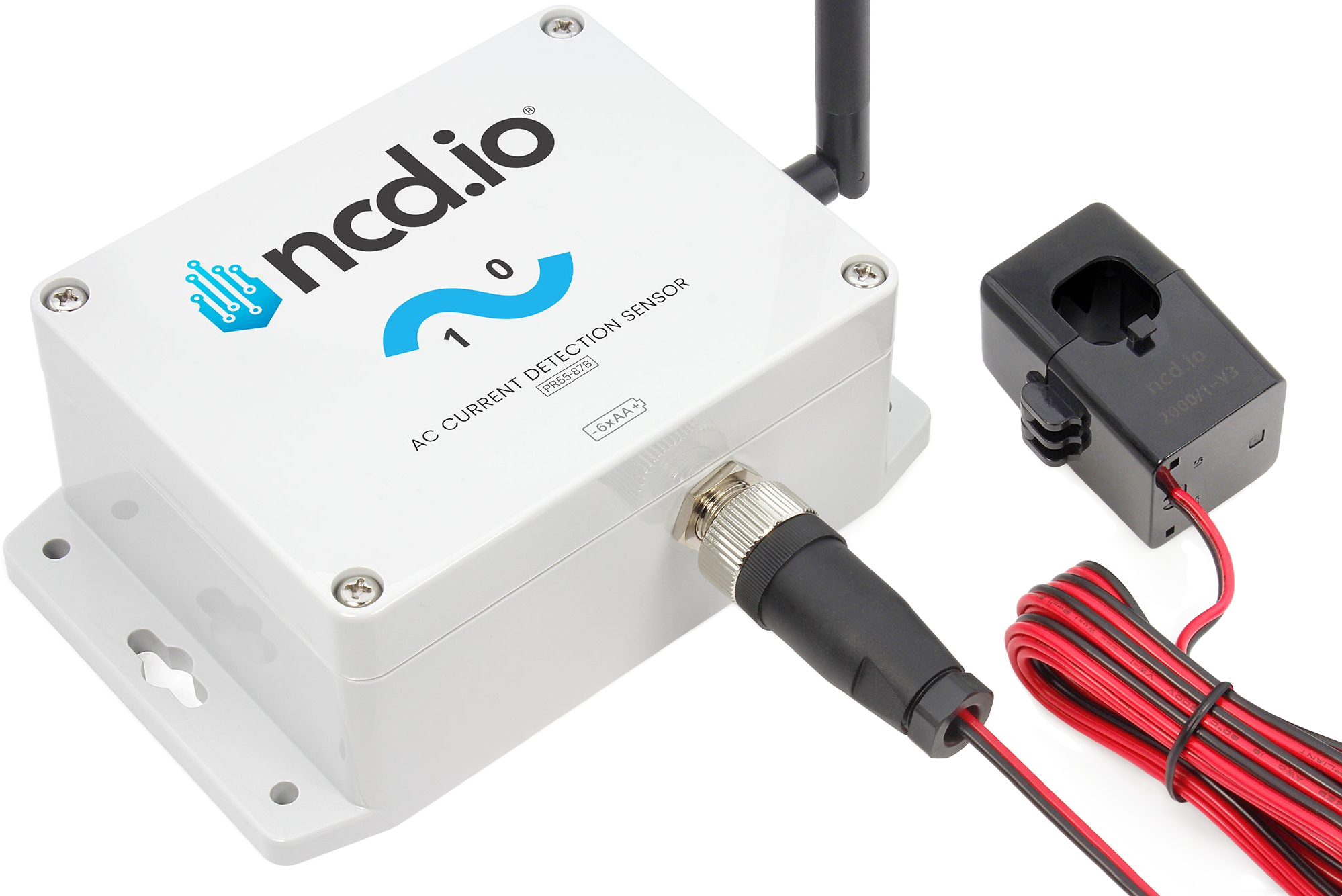 AC Current Detection Sensor
Clamp the CT on the sump pump circuit. Get an alert when the pump starts, stops or pulls more current than it should.
 Contact Closure Sensor
Wire it to a high-water float switch in the sump pit. The float trips before the floor gets wet.
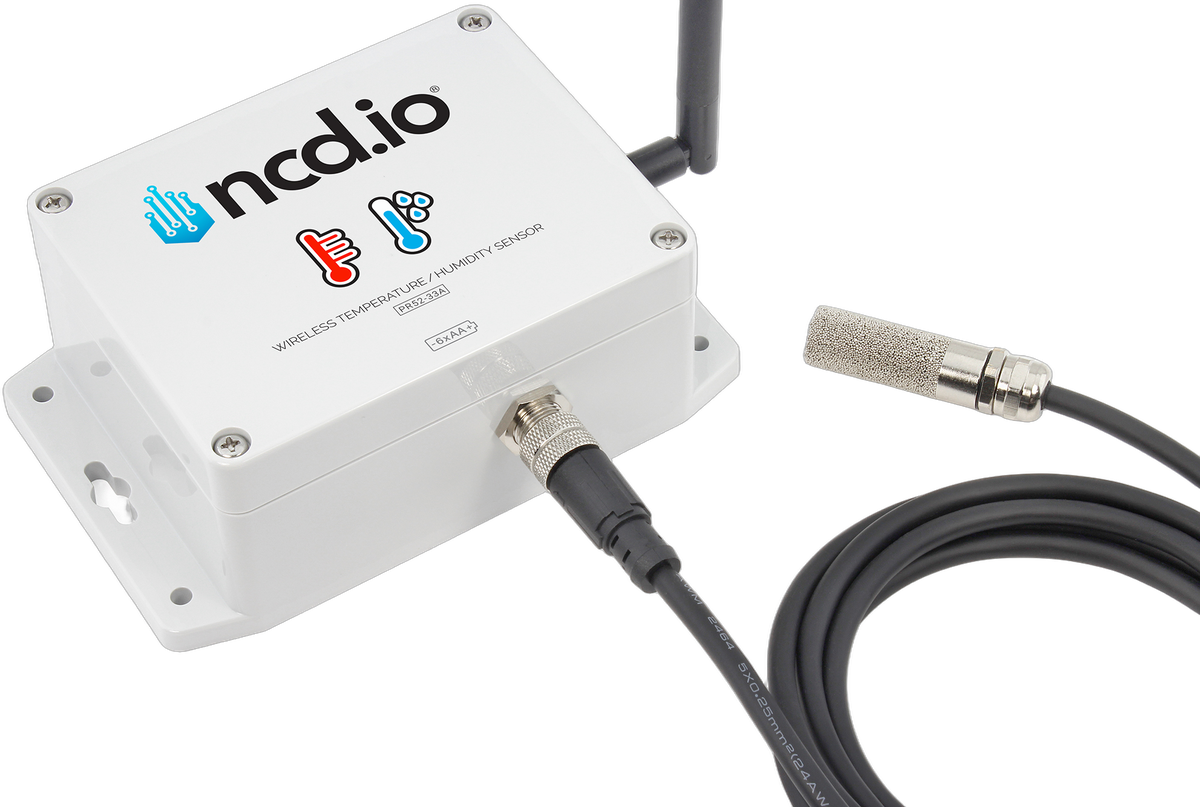 Temperature & Humidity Sensor
Mount it in the same room. Temperature and humidity sit next to the leak alerts on one dashboard.
Answers to the most common questions about wireless water leak detection.
The Industrial IoT Wireless Water Detect Rope Sensor from NCD is a battery-powered industrial sensor with a rust-proof detection rope that senses water along its entire length and sends a wireless alert the moment it does. Run one or two channels depending on how many lines you need to watch. It works like a wireless push-notification transmitter for leaks and runs for years on batteries.
The sensor uses a water-detection rope to sense a wet or dry condition, and sends a wireless transmission whenever that state changes. It alerts you when water is detected on a dry sensor, and sends another alert when a wet sensor becomes dry, so you can track both the onset and the resolution of a leak.
The rope adds 1 meter of sensing rope at the end of a 1-meter lead cable, so it reaches into the area and senses water anywhere along that final meter, while the transmitter stays mounted clear of the water. Custom rope lengths are available to match a longer run, and the 2-channel version drives two rope runs from one transmitter.
The rope detects water and other conductive liquids by sensing the drop in resistance when water bridges the sensing cable — covering typical facility and process water: tap, rain and ground water, condensate, and wash-down. Because detection depends on the water conducting, extremely pure water with almost no dissolved ions (deionized or ultrapure water in a sealed system) may not be reliably detected. If catching DI/ultrapure water is your requirement, contact us and we’ll recommend the right approach. If you only need to watch a single low point, see the Water Detect Puck (spot version).
The sensor reaches up to 2 miles line-of-sight with its on-board antenna. Because it supports wireless mesh networking, a single Atrium gateway can collect alerts from many sensors across large or multi-building facilities.
Battery life depends on how often the sensor transmits. The sensor is powered by a D-cell with Supercap (included) and delivers up to 5 years of battery life, depending on the transmission interval you choose and environmental conditions. An external-power option is also available for permanent installations.
Yes. Its sealed enclosure is built for both indoor and outdoor use, and its rope reaches into the area you want to monitor.
No. The sensor has no monthly fees and no recurring software costs. You own your data and can keep it on your own network or forward it to AWS, Azure, or any MQTT broker through the Atrium gateway.
Yes. Alerts from the sensor flow through the Atrium gateway, which supports AWS, Azure, MQTT, Modbus, Node-RED, and a REST API. Its open communication protocol makes software integration straightforward, so you can route leak alerts into existing building management, SCADA, or notification platforms without vendor lock-in.
The Industrial IoT Wireless Water Detect Rope Sensor is made in the USA and is RoHS compliant. It is built and supported by NCD, a manufacturer trusted by more than 7,000 customers worldwide for industrial wireless sensing.
We publish our prices. There is no quote form, no login and no sales call between you and the number.
Our engineers answer in public on the community forum, and the thread stays up for the next person with the same question.
Ask on the NCD Community ForumOne purchase. Full ownership. Industrial-grade water leak detection that pays for itself.
Configure Your System